A Karen or Runda estate can hold hundreds of millions in equity while returning almost nothing in income. This guide sets out how trustees and heirs reposition that capital into a high-yield apartment asset without exposing the proceeds to governance, title, or dissipation risk.
Key takeaways
- A KES 350M legacy estate letting at KES 300,000 a month returns about 1% gross: KES 3.6M a year on trapped equity.
- Recommissioning is a six-stage lifecycle, from asset audit to a pre-booked handover, not a single transaction.
- Proceeds should move from sale to purchase to milestone-certified construction without sitting as spendable cash.
- In our published Karen-to-Ruaka benchmark, annual cash flow rose from KES 3.6M to KES 23.5M, about 6.5 times, or 6.7% on the KES 350M allocation.
The Trap of Holding Low-Yield Legacy Assets in Prime Suburbs (Karen & Runda)
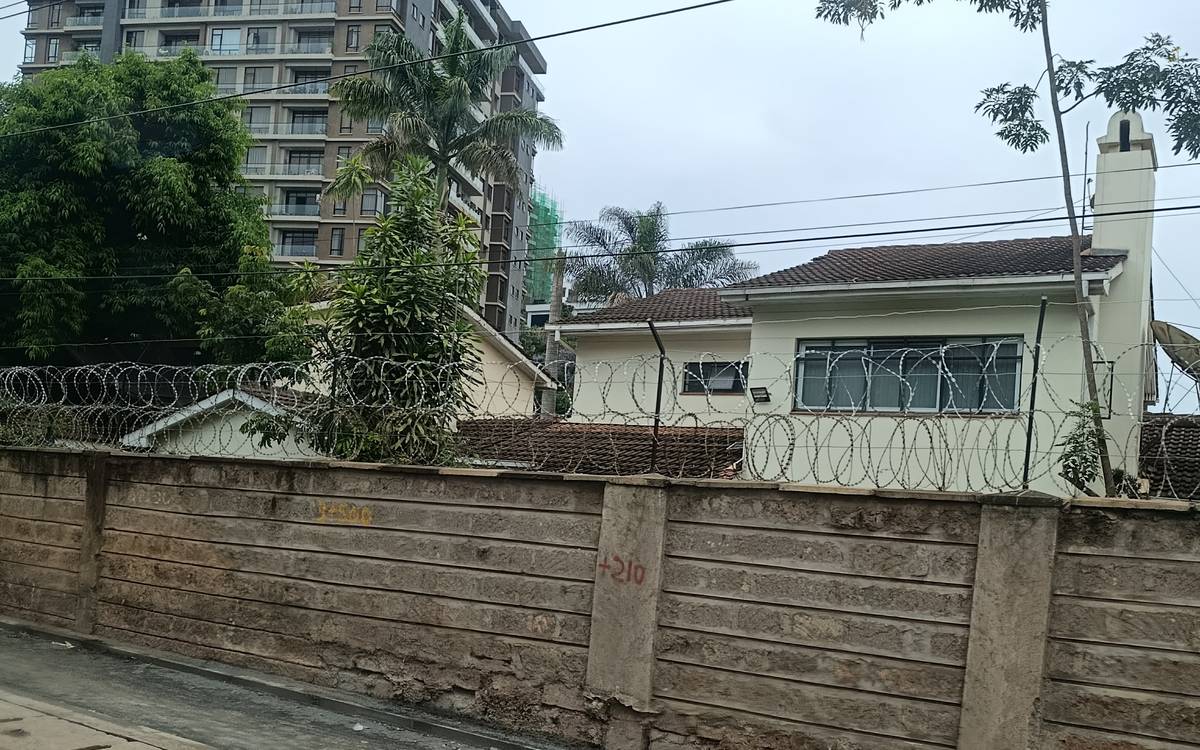
Few assets feel as safe to a family as the homestead acquired decades ago in Karen or Runda. Land is scarce, the address carries prestige, and the paper value has compounded quietly. For trustees and heirs, however, prestige is not income. A legacy residence valued at KES 350 million that lets for KES 300,000 a month produces KES 3.6 million a year, roughly a 1% gross return on the capital it ties up.
The cost of that idle equity is rarely visible, because it is an opportunity cost rather than a cash loss. The property still needs maintenance, security, county rates, and insurance, while its realistic tenant pool narrows to a handful of diplomatic or expatriate households. Net of those costs, the true return is often close to zero.
There is also a structural conflict. One asset, several beneficiaries, and a yield that cannot fund any of them is a recipe for friction between heirs. Capital Recommissioning resolves this by changing what the capital is invested in, not by abandoning the family’s long-term conviction in property: equity locked in a low-density estate is redeployed into a purpose-built, high-density asset in a corridor where tenant demand is deep and construction is cost-efficient.
Evaluating the Recommissioning Lifecycle: From Asset Audit to Yield Optimization
Recommissioning works because it is sequenced. Each stage produces a decision-grade output that the trustees can approve before the next stage starts, and the stages draw on our wider service stack: Market Due Diligence to choose the corridor and typology, Land Sourcing to secure a clean title, and Turnkey Construction Execution to deliver the building.
Yield optimization begins long before drawings are issued. The typology is matched to tenant depth in the target corridor, finishes are calibrated to what tenants will actually pay for, and management ease is engineered in from day one: prepaid sub-metering, accessible service ducts, and durable facades. The aim is a building that behaves like a passive income asset for beneficiaries who have no appetite to manage a property.
For owners holding larger tracts in an urbanizing corridor, a variant avoids the sale of the family home altogether: subdivide the parcel, sell one portion at market value, and channel the proceeds into building on the retained portion. That route can fund construction without bank debt.
| Stage | Core activity | Decision-grade output |
|---|---|---|
| 1. Asset audit & valuation | Independent valuation, title review, and an honest income and cost audit of the legacy property | Current net yield and a defensible disposal range |
| 2. Governance ring-fence | Agree trustee mandates, beneficiary consents, and capital controls before any sale | Signed redeployment mandate |
| 3. Disposal or subdivision | Confidential private treaty sale, or subdivision and partial sale of acreage | Completed transaction and cleared proceeds |
| 4. Corridor and land selection | Corridor yield audit, typology study, title and survey verification of the new plot | Verified plot and locked feasibility model |
| 5. Turnkey build | Approvals, fixed-price BoQ, milestone-certified construction | Practical completion and occupation certificate |
| 6. Pre-booking and handover | Marketing and tenant vetting during finishing; management transition | A booked, hands-off rent roll |
Mitigating Governance and Title Risks During Estate Redeployment
The largest risks in redeployment are legal and behavioural, not structural. On the exit side, the authority to sell must be unambiguous. Where the property sits in an estate, the grant of representation generally has to be confirmed under the Law of Succession Act before assets can be transferred; where it sits in a trust, the trust deed must give the trustees the power to sell and reinvest, and every required beneficiary consent must be on file. Your advocates own these steps, and we coordinate our timeline around them.
Disposal terms deserve the same discipline. A distressed or rushed sale can erase years of the value you are trying to unlock, so the estate is marketed confidentially by private treaty against an independent valuation. The tax treatment of the disposal, including capital gains tax and stamp duty on the replacement acquisition, should be modelled with your tax adviser before the redeployment mandate is signed.
On the entry side, the new plot must be clean. That means an official search at the lands registry, review of the historical registry and green-card trail, cadastral beacon verification, and an audit of road reserves and encumbrances. Parcels with irregular allocation histories, a pattern flagged in the Ndung’u Report, are screened out before any deposit is paid.
The behavioural risk is dissipation. When hundreds of millions land in a personal account, spending pressure is immediate. Our structure routes sale proceeds into conveyancing and escrow, then directly into the land purchase and certified construction milestones, so the capital is never idle and spendable.
Governance principle
Proceeds should travel from sale completion to land purchase to milestone-certified construction without ever sitting in an unrestricted account. This article is general information, not legal advice; engage your advocate and trustees for your specific estate.
Case Study: Transitioning Underutilized Acreage into a Grade-A Multi-Family Residential Block
A family held an ageing 2.5-acre residential estate in Karen valued at KES 350 million. It let for KES 300,000 a month, about 1% a year, and the family feared that liquid proceeds would be spent rather than invested.
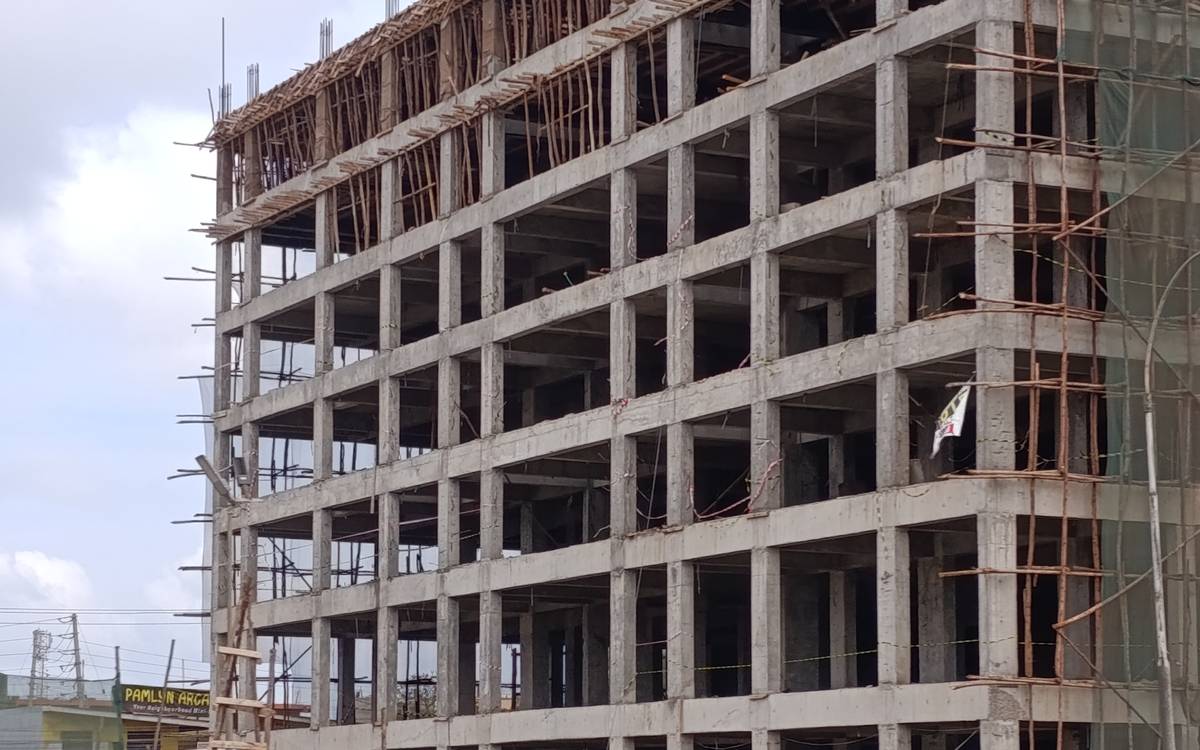
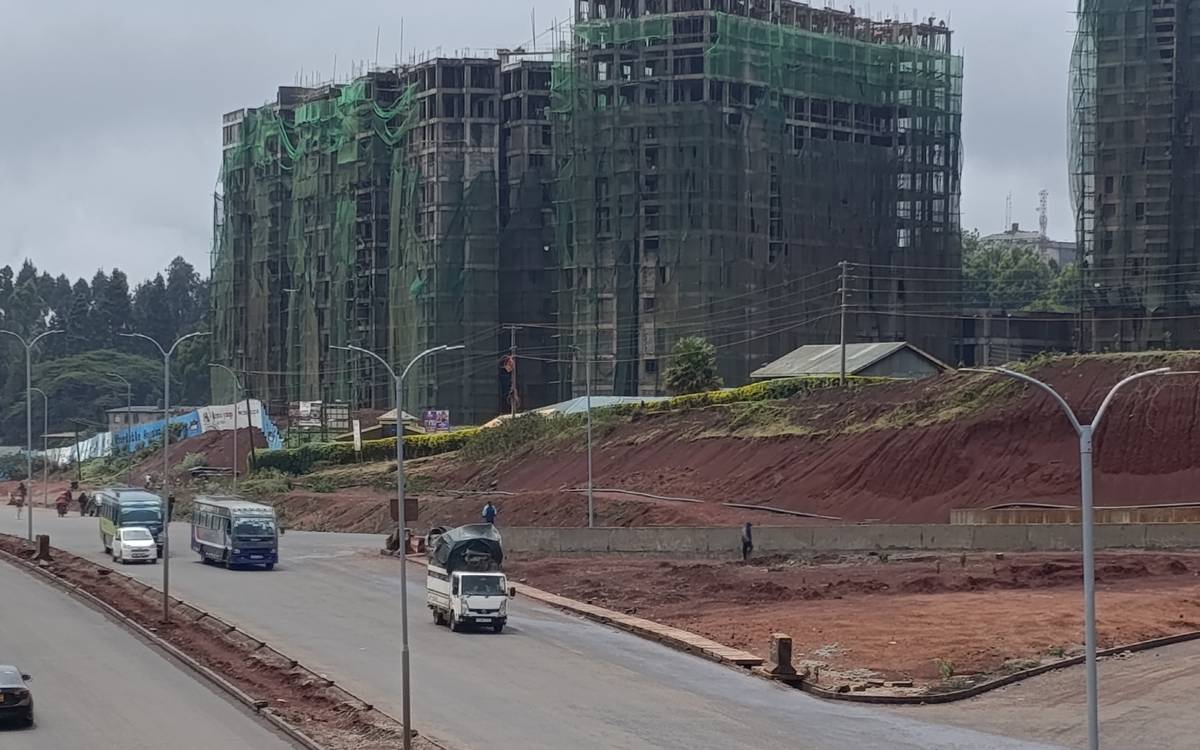
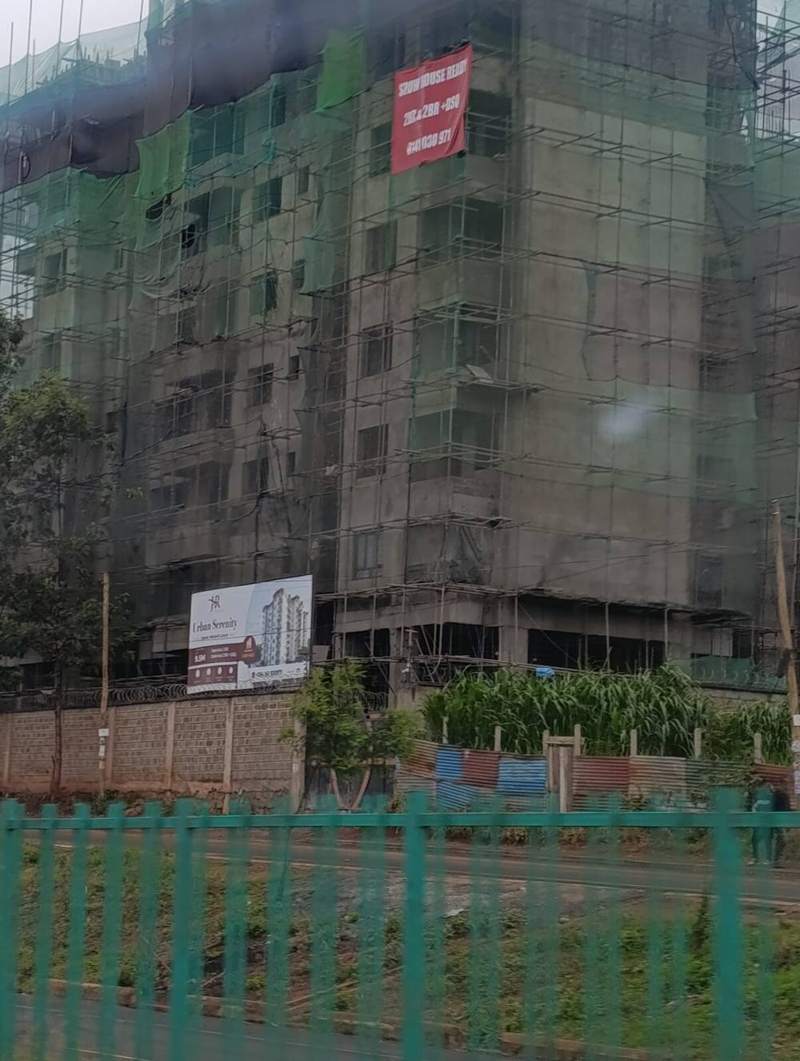
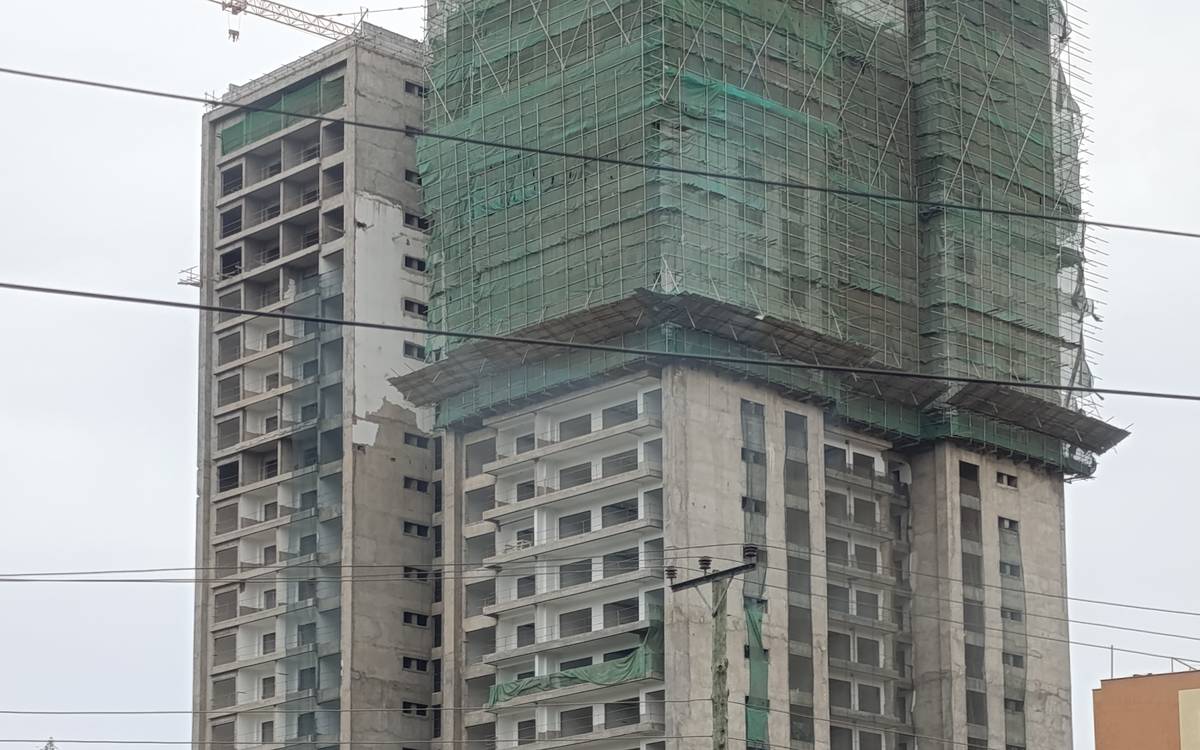
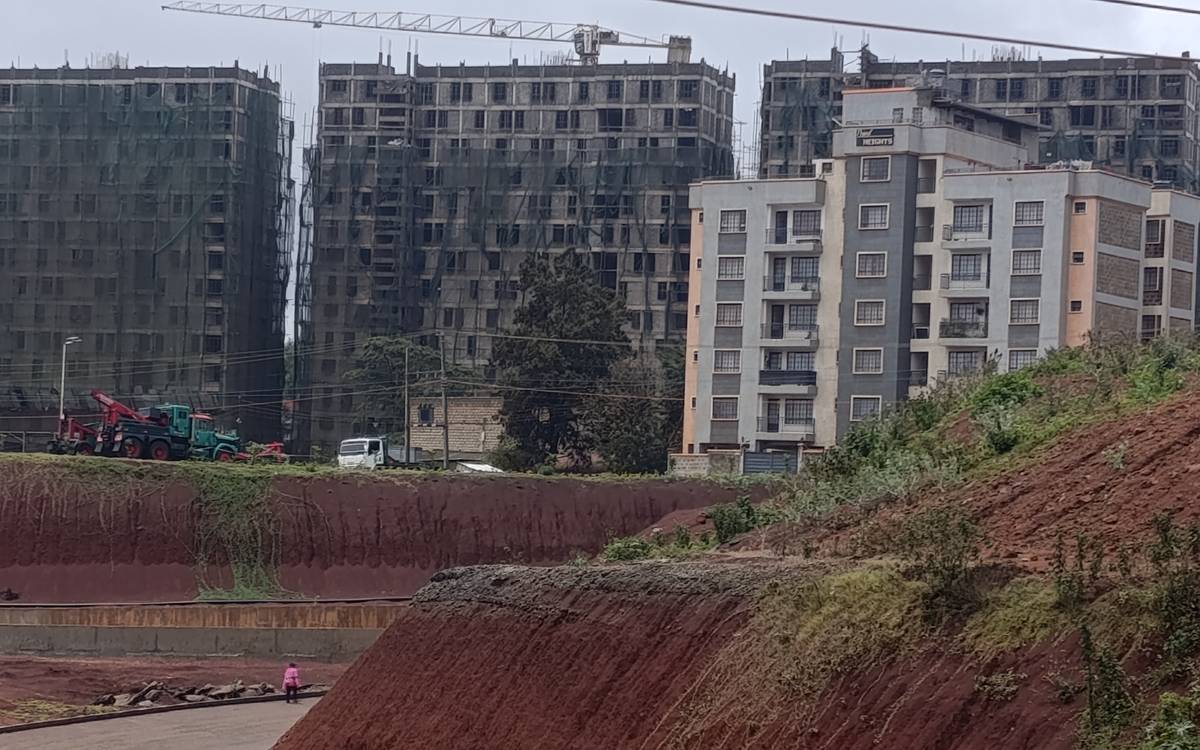
We sold the estate at full valuation, deployed KES 78 million into a high-density parcel on the Limuru Road corridor in Ruaka, and built a 68-unit commuter apartment block for KES 248 million. The turnkey transition took 16 months, with tenant marketing running through construction so the building was fully pre-booked at handover. Annual net cash flow reached KES 23.5 million.
For trustees, the lesson is as much about diversification as yield. Moving from one illiquid, single-tenant estate into 68 units across a deep tenant pool spreads income risk, but it also introduces construction and market risk that must be governed. That is why each stage is gated, and why outcomes depend on the corridor, typology, and starting yield of each family’s asset. This benchmark is not a guarantee for any other estate.
Yield here is measured the same way throughout this site: net annual income divided by total capital deployed. On that basis, the recommissioned block returns about 6.7% against a legacy return of about 1%, a gain driven by both higher income and a building purpose-built for tenant demand.
| Metric | Legacy Karen estate | Recommissioned Ruaka block |
|---|---|---|
| Capital employed | KES 350M (estate value) | KES 350M allocation (KES 78M land + KES 248M build) |
| Annual income | KES 3.6M (KES 300,000 a month) | KES 23.5M net annual cash flow |
| Income multiple | Baseline | About 6.5 times |
| Net yield on capital employed | About 1% gross | About 6.7% (KES 23.5M ÷ KES 350M) |
| Occupancy at handover | Single tenant, vacancy risk | 100% pre-booked across 68 units |
| Capital controls | None | Ring-fenced, milestone-certified |
Frequently asked questions
Does recommissioning require selling the family home?
Not always. Owners of larger parcels in growth corridors can subdivide, sell one portion, and build on the remainder debt-free. Where the property is a low-yield legacy residence, a private treaty sale and redeployment is usually the cleanest route.
How are trustees protected during the process?
Every stage ends in a decision-grade output the trustees approve, proceeds are ring-fenced through conveyancing and escrow, and construction payments are released only against certified milestones.
Is the 6.5 times income multiple typical?
It is the result of one benchmark project and depends on the estate’s starting yield, the corridor, and the typology. A confidential feasibility review models your own numbers before any commitment.
Secure Your Portfolio’s Future: Engage Patment Invest for Institutional-Grade Recommissioning
A dormant estate is a decision deferred. Each year of a 1% return is a year in which the family’s wealth is compounding well below its potential, and each year of delay increases the governance pressure on trustees and heirs.
Our Capital Recommissioning team audits the asset, structures the redeployment, and delivers a pre-booked building on a clean title in a corridor like Ruaka or Kikuyu. To compare how the build itself is delivered, read our guide to turnkey construction versus hiring contractors in Kenya.
Request a Confidential Portfolio Feasibility Review: share the estate’s location, approximate value, and current income, and we will model the recommissioning outcome.