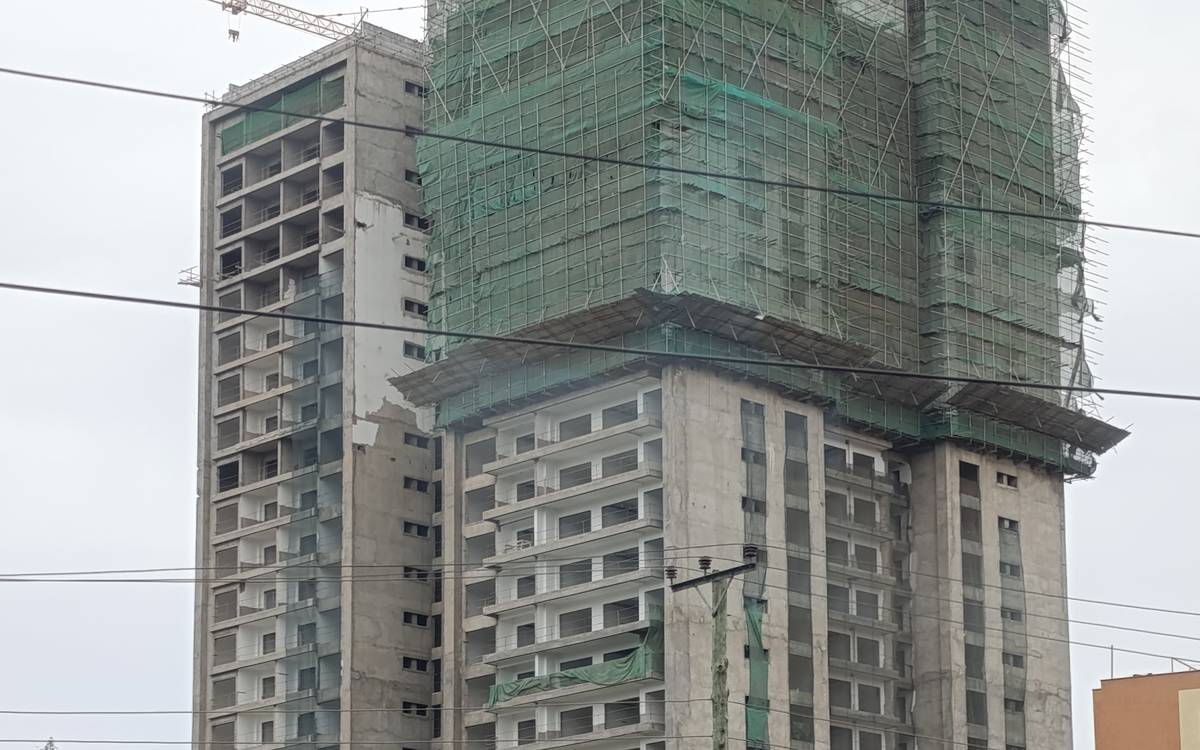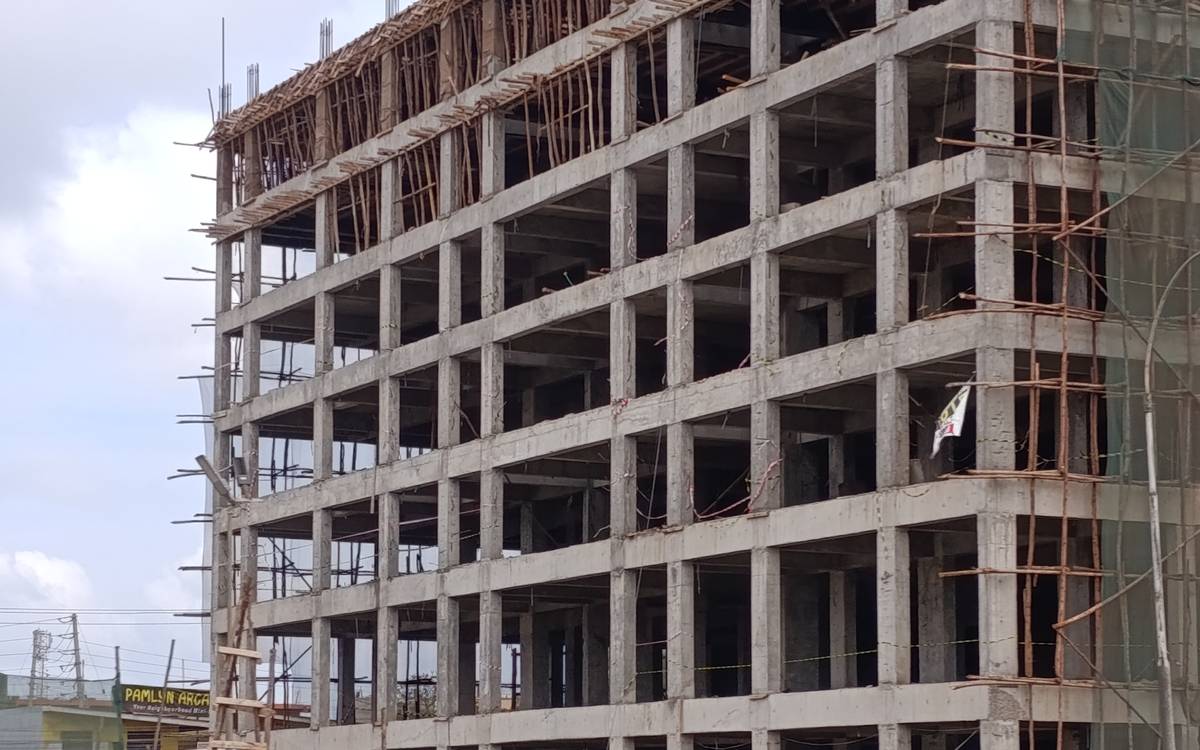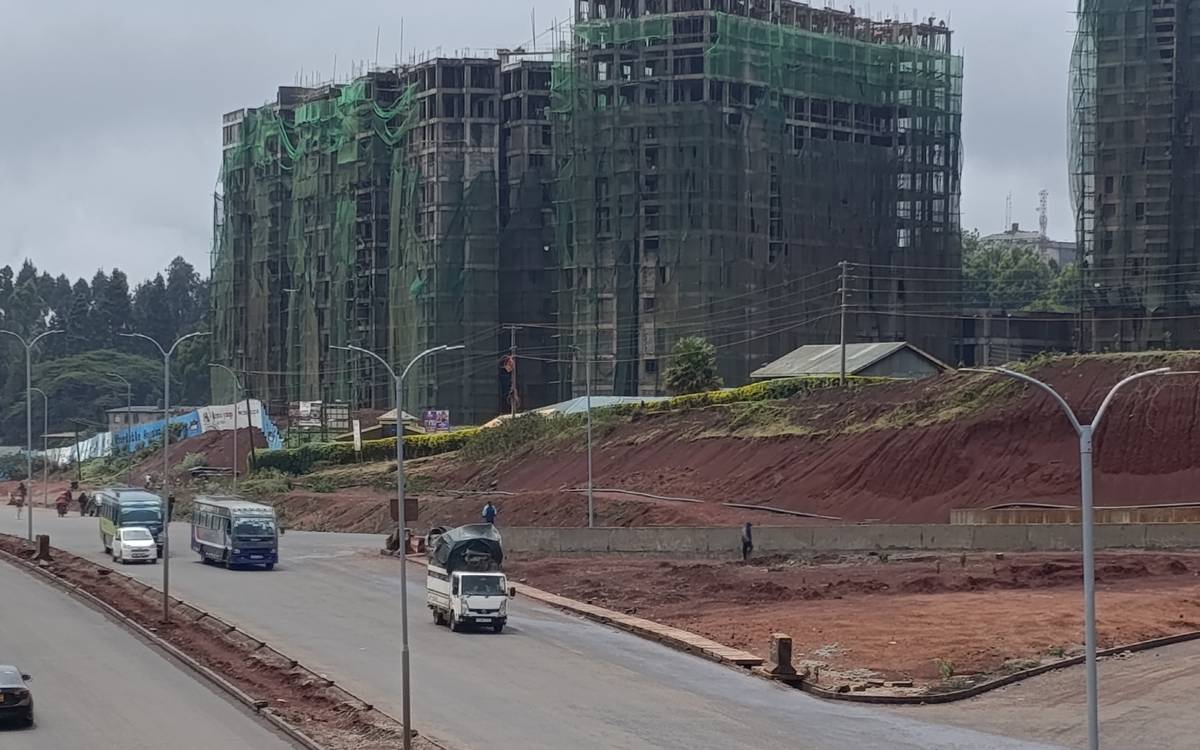
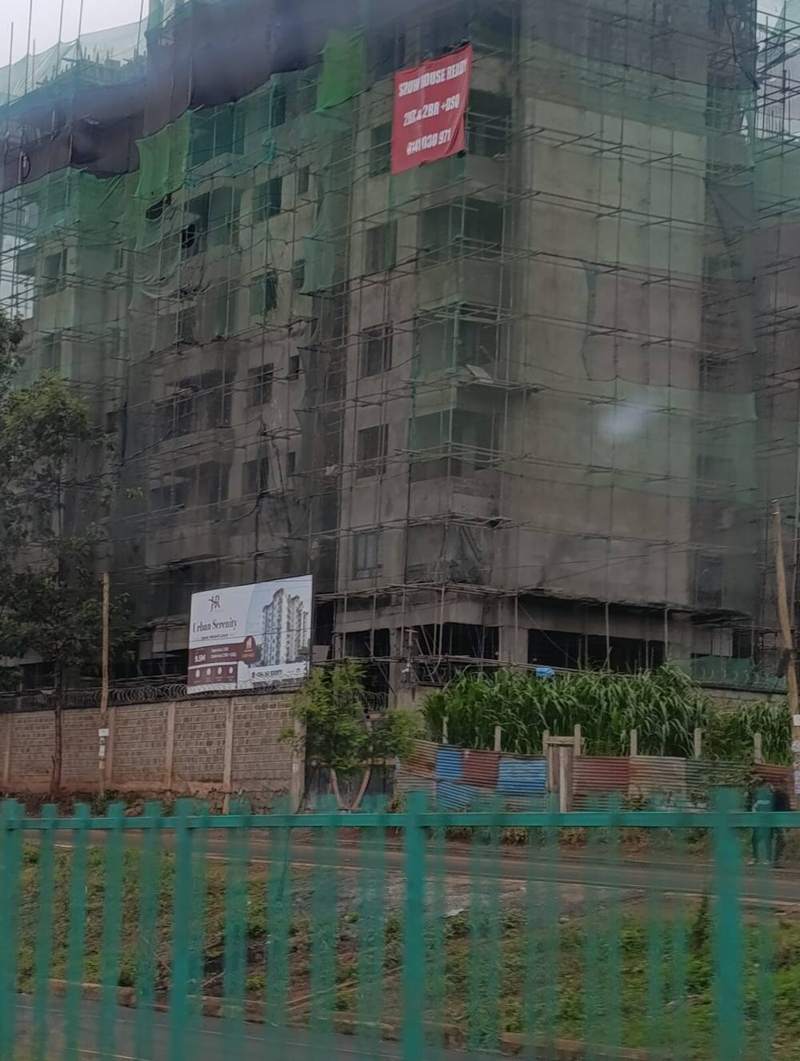
A comprehensive visual and economic assessment of apartment types currently under development across Nairobi’s primary growth arteries: Limuru Road (Ruaka, Banana, Ndenderu), Waiyaki Way (Westlands to Kikuyu), and Thika Superhighway stretching through Juja, Thika, and the Kenol node.
Key takeaways
- Limuru Road has emerged as the premier corridor for 8–10 story executive 1 & 2-bedroom blocks with ground-floor commercial bays, powered by UN/diplomatic spillover from Gigiri and Two Rivers.
- Waiyaki Way exhibits intense vertical densification near Westlands, but requires disciplined capital allocation to avoid building sub-scale blocks that get overshadowed by neighboring skyscrapers.
- Thika Road all the way to Kenol remains the capital city’s high-velocity rental engine, favoring structurally efficient 5–8 story walk-ups and elevator commuter blocks targeting young professionals and student demographics.
- Investor returns are highest when unit mix, ceiling heights, parking ratios, and backup amenities are calibrated strictly to the verified tenant profile of each specific arterial node.
1. The Evolution of Nairobi’s Multi-Family Architectural Typologies
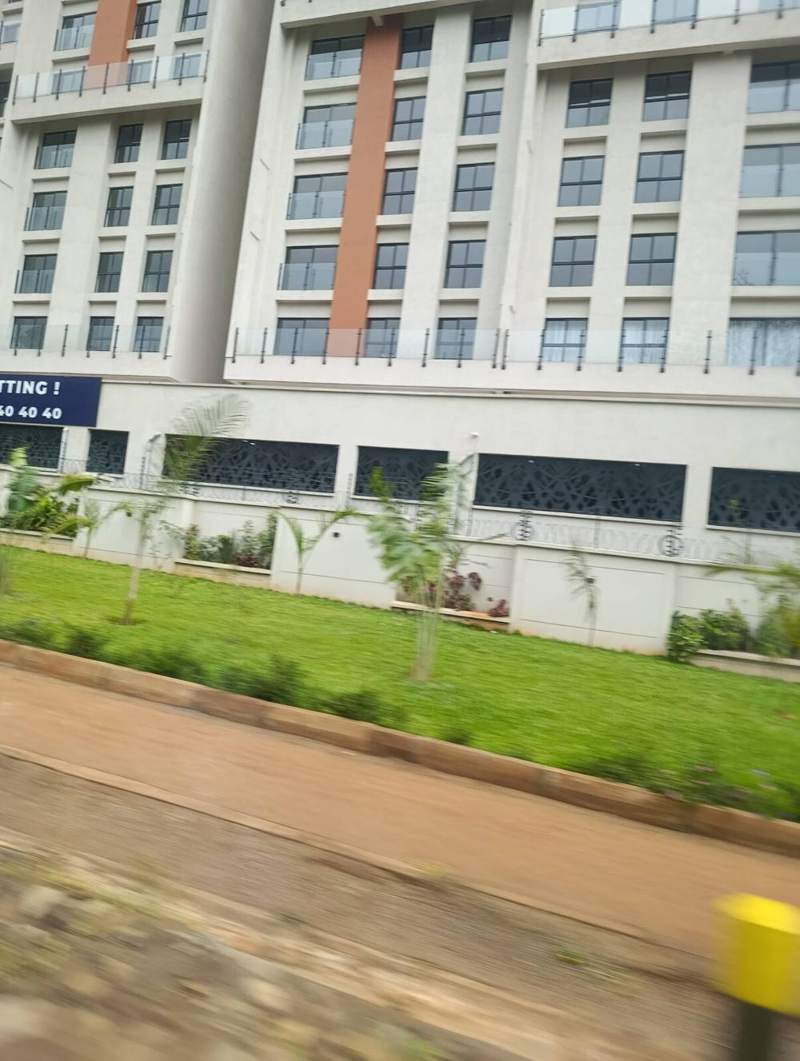
Driving through the Nairobi metropolitan area today reveals a dramatic transformation in multi-family residential architecture. The era of generic four-story walk-ups with uniform cream facades is rapidly receding. Across our major transport corridors, developers are commissioning sophisticated reinforced concrete frames featuring cantilevered balconies, textured exterior cladding, solar water heating systems, smart utility sub-meters, and integrated ground-floor retail.
However, the architectural typology that succeeds in one corridor cannot simply be transplanted to another. What generates 14% net rental yields in Ruaka or Ndenderu may face prolonged vacancy or depressed capital appreciation along Thika Road or Waiyaki Way. Grounded in photographic field documentation captured across Limuru Road, Waiyaki Way, and Thika Road all the way to Kenol, this analysis breaks down the actual apartment archetypes being built today and their underlying investment viability.
The Location-Typology Matrix Rule
Never design an apartment building in isolation from its corridor absorption data. In high-density satellite nodes, 75% of rental demand is concentrated in executive 1-bedroom and compact 2-bedroom units. Over-building 3-bedroom luxury layouts in commuter corridors typically inflates construction cost by 35% while slashing tenant absorption speed by half.
2. Limuru Road Corridor (Ruaka, Gacharage, Banana, Ndenderu & Redhill)
The Hub for 8–10 Story Executive Commuter & Diplomatic Spillover Blocks
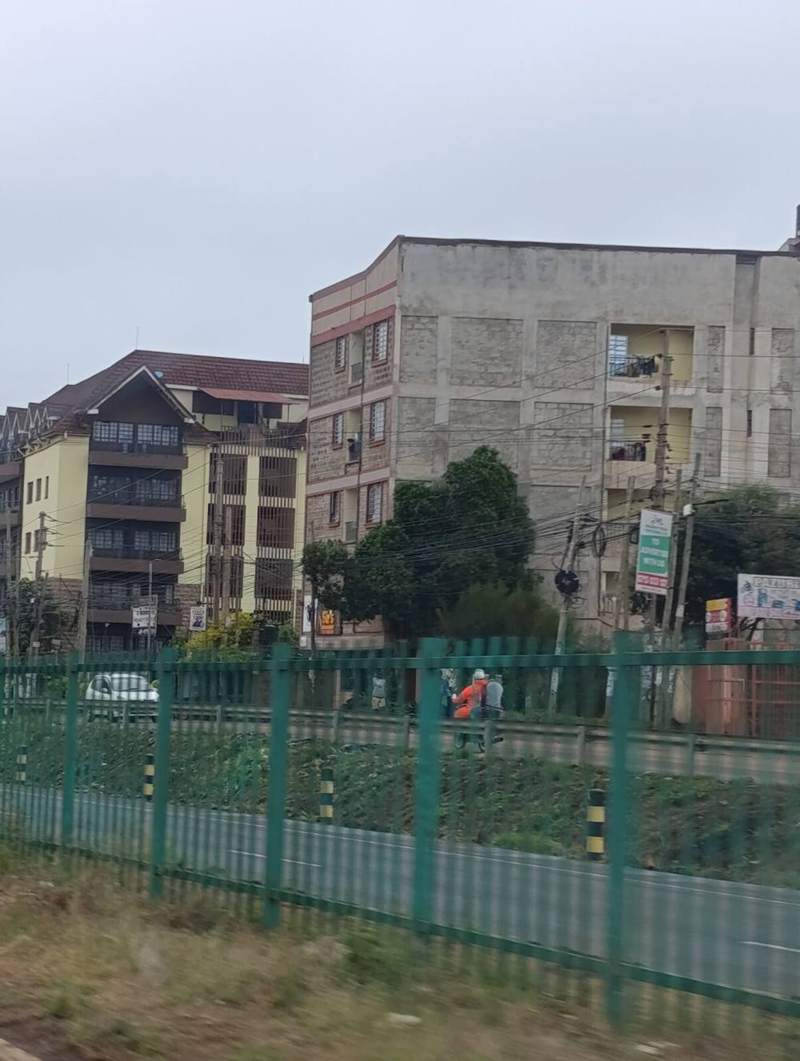
The Limuru Road corridor—anchored by Ruaka, Gacharage, Banana, and Ndenderu—has become the epicenter of mid-range to high-end residential apartment construction. Thanks to direct access to the Northern and Western Bypasses, Two Rivers Mall, and the diplomatic enclave of Gigiri (UN, US Embassy), land in Ruaka has climbed to ~KES 40M–55M per plot.
To achieve a healthy return on this land value, the dominant typology is now an 8 to 10-story block engineered with high-speed passenger elevators, dedicated borehole water reticulation, standby diesel generators, and CCTV surveillance. Ground floors are frequently activated with neighborhood retail: pharmacy, mini-mart, laundromat, and coffee bar.
Unit configuration in this corridor heavily prioritizes executive 1-bedroom units (renting at KES 25,000–38,000/month) and master ensuite 2-bedroom apartments (renting at KES 42,000–60,000/month). Higher finishes including granite countertops, ceramic wall tiling up to ceiling height, and recessed LED ceiling lighting are essential to attract expatriate and institutional tenants.
3. Waiyaki Way Corridor (Westlands to Kikuyu)
Expressway Transit-Oriented Density and the Infill Dynamic
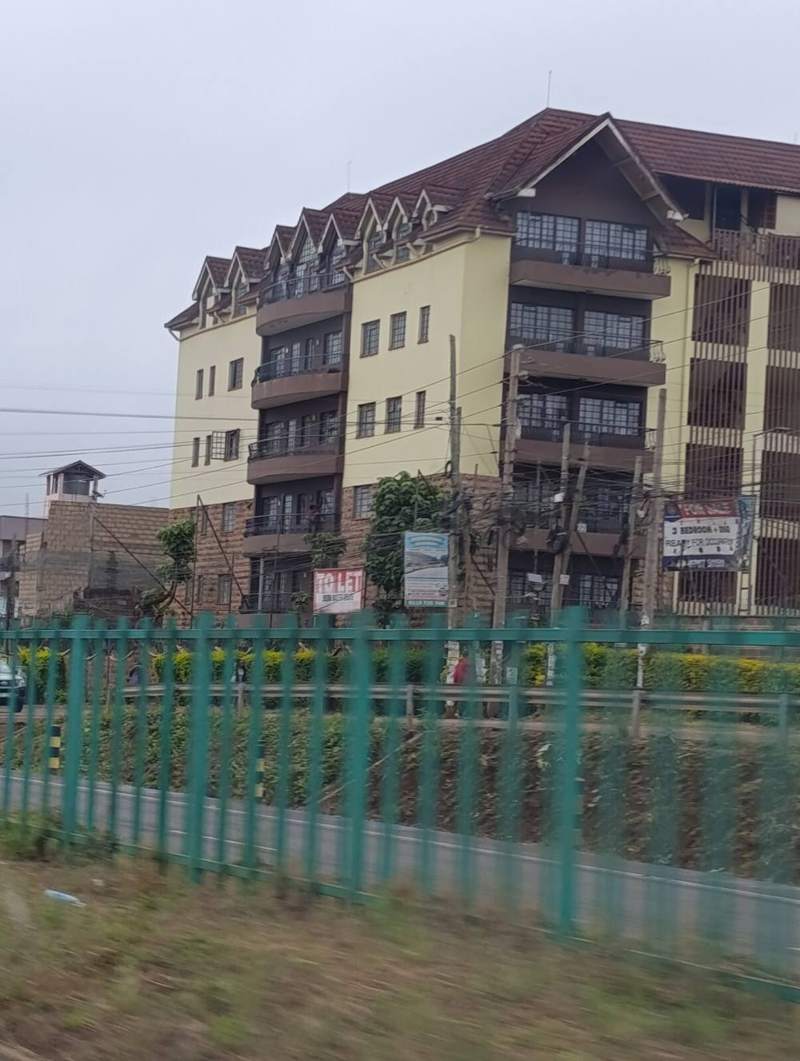
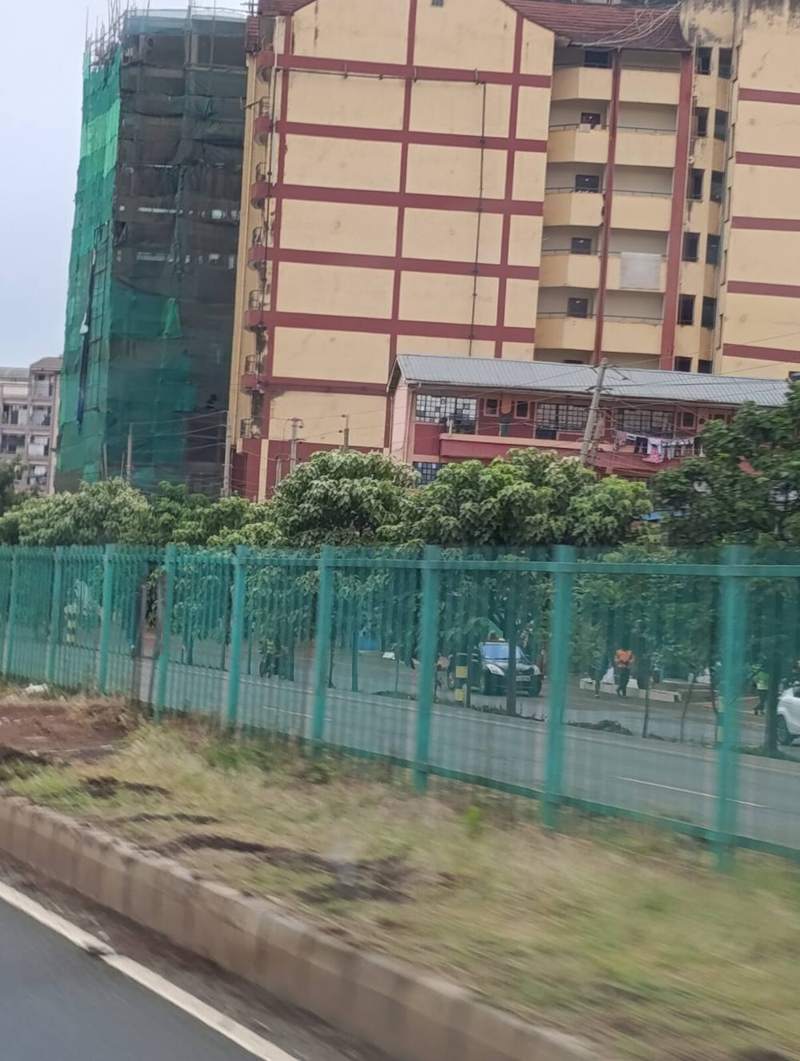
Waiyaki Way represents Nairobi’s premier east-west corporate spine. Between Westlands, Kangemi, Mountain View, Uthiru, Kinoo, and Kikuyu, the construction landscape bifurcates sharply into two distinct categories:
First, near Westlands and along the direct highway slip roads, projects take the form of 14 to 20-story luxury towers featuring infinity pools, rooftop lounges, and automated stacker parking. These projects cater to multinational corporate tenants with budgets upwards of KES 100,000 per month.
Second, further west towards Mountain View, Kinoo, and Kikuyu, developers are erecting 6 to 8-story commuter apartments capitalizing on the expressway slip road and the commuter rail link. A critical lesson here is that building a 5-story block right on the high-priced Waiyaki Way highway frontage often creates an underutilized asset that cannot compete aesthetically with surrounding towers. In contrast, positioning that same 6–8 story project within 300 to 800 meters of the main artery—or within Kikuyu Town itself—dramatically lowers land cost while maintaining 95%+ rental occupancy.
4. Thika Road to Kenol Corridor (Roysambu, Kasarani, Ruiru, Juja, Thika, Kenol)
The High-Volume Commuter and Industrial Corridor (5–8 Floors)
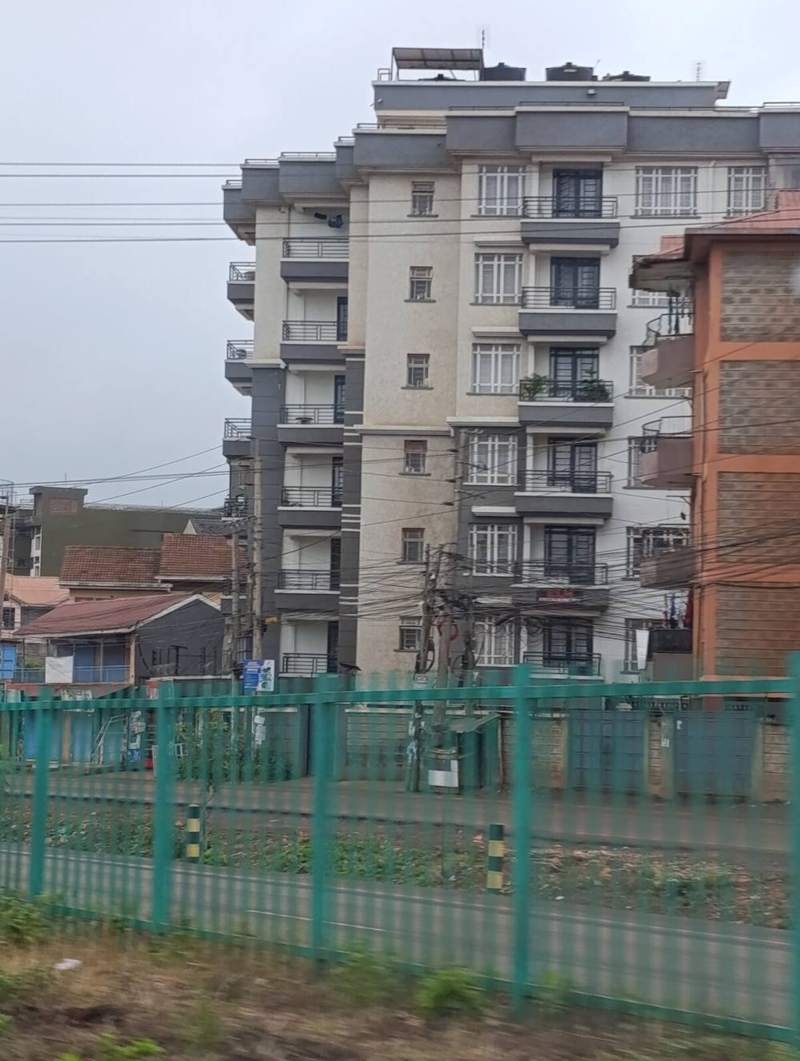
Stretching from the edge of the CBD through Roysambu, Kasarani, Ruiru, Juja, Thika Town, and all the way to Kenol in Murang’a County, the Thika Superhighway is Kenya’s most heavily traveled suburban artery. Here, apartment construction follows a distinct economic model:
Unlike Westlands or Ruaka, high-rise luxury finishes are rarely rewarded with commensurate rental premiums. Instead, the winning typology is a structurally efficient 5 to 8-story block built with durable, low-maintenance materials (quarry-stone infill, machine-cut stone facing, robust terrazzo common areas) that withstand heavy foot traffic.
Between Roysambu and Juja, studios, bedsitters, and studio-lofts dominate due to the proximity of USIU, PAC University, and JKUAT, commanding rents of KES 12,000 to KES 20,000 per unit. Beyond Juja, towards Thika Town and the booming Kenol junction, demand shifts to affordable 2 and 3-bedroom family units for staff working in Thika’s manufacturing hub and commuters seeking spacious living at KES 20,000 to KES 35,000.
The Kenol Growth Node Phenomenon
With the dual-carriageway expansion of the Kenol–Marua highway and Kenol serving as the gateway to Mount Kenya, land values in Kenol are currently at the same stage Ruiru was eight years ago. Forward-thinking investors deploying 5 to 6-story apartment blocks near Kenol town center are seeing land appreciation of 18%+ annually alongside rental yields above 14%.
5. Comparative Analysis: Typologies Across Nairobi’s Growth Arteries
To help developers and capital allocators structure their investment, here is a direct comparison of typical project parameters across these three major corridors:
| Corridor | Dominant Typology | Floors | Target Unit Mix | Typical Gross Rent/Unit | Est. Net Rental Yield |
|---|---|---|---|---|---|
| Limuru Rd (Ruaka / Ndenderu) | Executive Mixed-Use with Lift & Retail | 8 – 10 | 1-Bed (60%), 2-Bed (40%) | KES 28k – 55k | 12.2% – 14.1% |
| Waiyaki Way (Westlands Infill) | High-Density Executive / Serviced | 14 – 18+ | Studio (40%), 1-Bed (40%), 2-Bed (20%) | KES 50k – 120k+ | 8.5% – 10.5% |
| Waiyaki Way (Kinoo / Kikuyu) | Commuter Residential Block | 6 – 8 | 1-Bed (50%), 2-Bed (50%) | KES 22k – 40k | 11.8% – 13.5% |
| Thika Rd (Roysambu to Juja) | Student & Young Commuter Studios | 6 – 8 | Studios (65%), 1-Bed (35%) | KES 14k – 25k | 13.0% – 15.0% |
| Thika to Kenol Corridor | Family Suburban Walk-Ups & Elevators | 5 – 7 | 1-Bed (30%), 2-Bed (50%), 3-Bed (20%) | KES 16k – 32k | 12.5% – 14.8% |
Conclusion: Matching Your Capital to Corridor Typology
Building a profitable multi-family asset in Nairobi is not simply about pouring concrete; it is about calibrating your architectural typology to the exact purchasing power and commute habits of the local tenant base. A luxury design in a student corridor results in cash flow stagnation, while an under-specified walk-up in Ruaka or Westlands leaves massive rental upside on the table.
At Patment Invest, our turnkey methodology begins with rigorous corridor due diligence. We help you analyze soil bearing capacity, zoning ceiling heights, tenant absorption velocity, and local land official leads before our architectural team drafts the first elevation.
Planning an apartment development along Limuru Road, Waiyaki Way, or Thika Road? Request our corridor feasibility study and turnkey BoQ breakdown today.