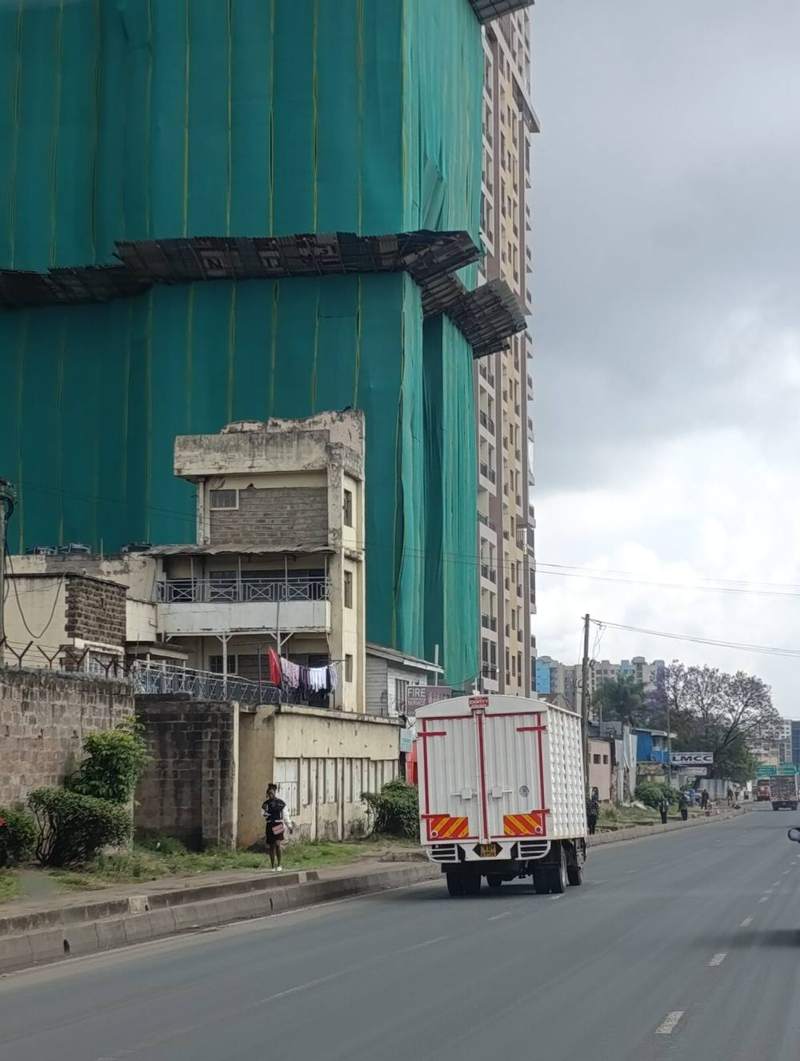
Self-managing an apartment build in Kenya is notoriously fraught with runaway budgets, rogue fundis, substandard materials, and regulatory delays. Explore why busy executives and Diaspora investors are turning to institutional turnkey construction management for guaranteed delivery, fixed costs, and cash-flowing tenant handover.
Key takeaways
- Self-managed construction in Kenya routinely experiences 30% to 55% cost overruns due to material pilferage, unauthorized site variations, and unskilled labor inefficiencies.
- Fully managed turnkey construction operates under a legally binding, itemized Bill of Quantities (BoQ) where funds are disbursed strictly against certified physical milestones.
- Institutional contractors leverage bulk wholesale manufacturer pricing for steel, cement, and electricals—saving developers up to 18% compared to retail hardware store procurement.
- The ultimate advantage: turnkey delivery includes commercial pre-leasing 4 months before completion, so you receive an operational, fully booked cash-flowing asset rather than an empty concrete shell.
1. The Harsh Reality of the “Self-Managed” Build in Kenya
Every year, hundreds of ambitious Kenyans—both locally based executives and professionals in the Diaspora across the US, UK, Europe, Australia, and the Gulf—embark on building apartment blocks. Most begin with the well-intentioned idea of managing the project themselves or delegating it to a trusted relative or an independent master builder (“fundi”).
The rationale seems simple: save the contractor’s management fee. But within three months of groundbreaking, the reality hits hard:
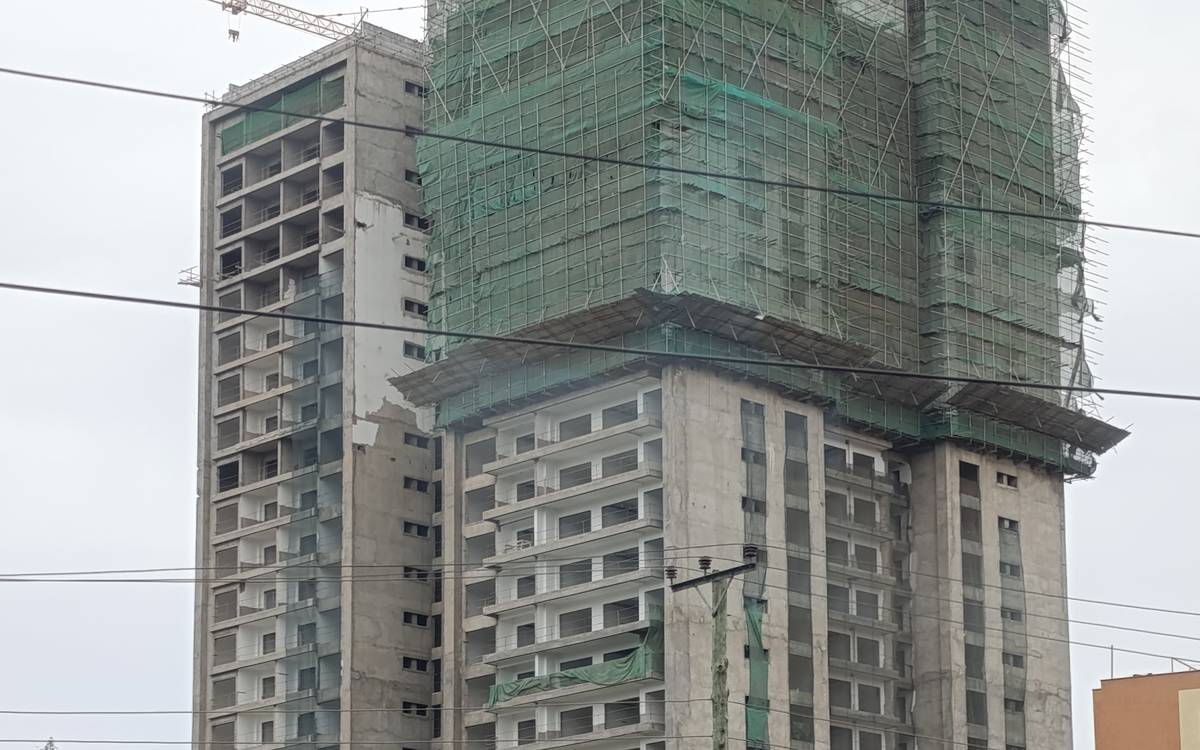
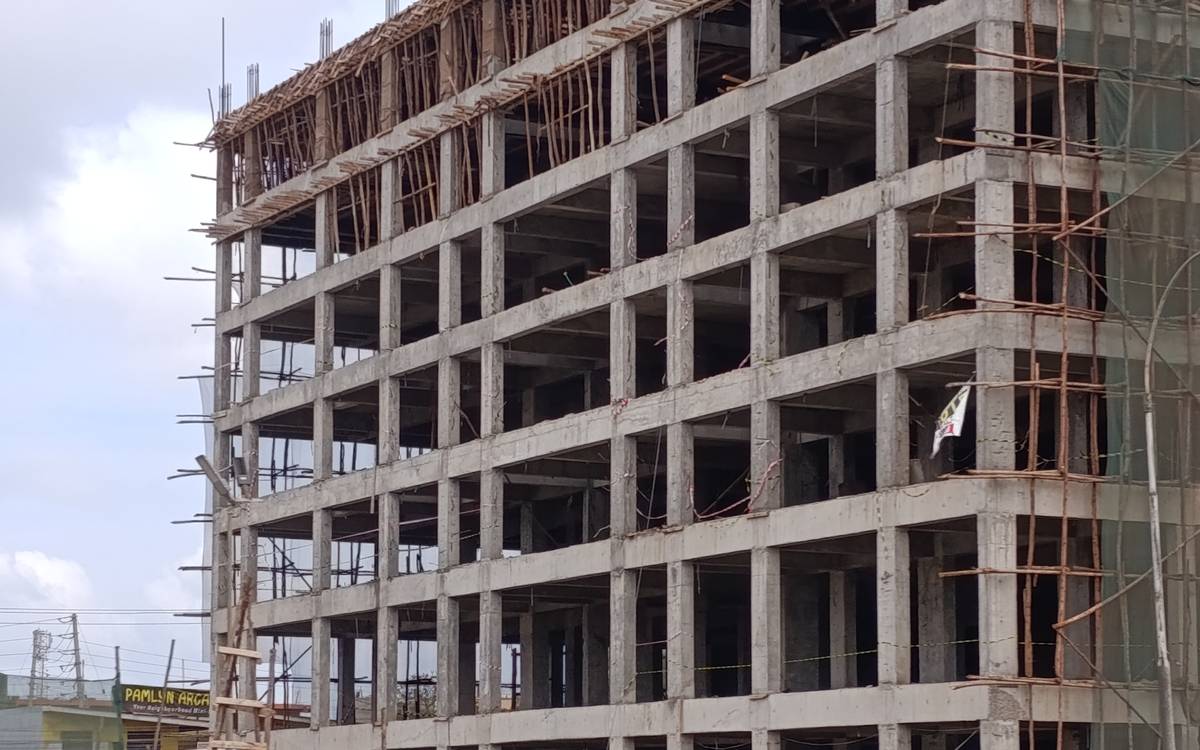
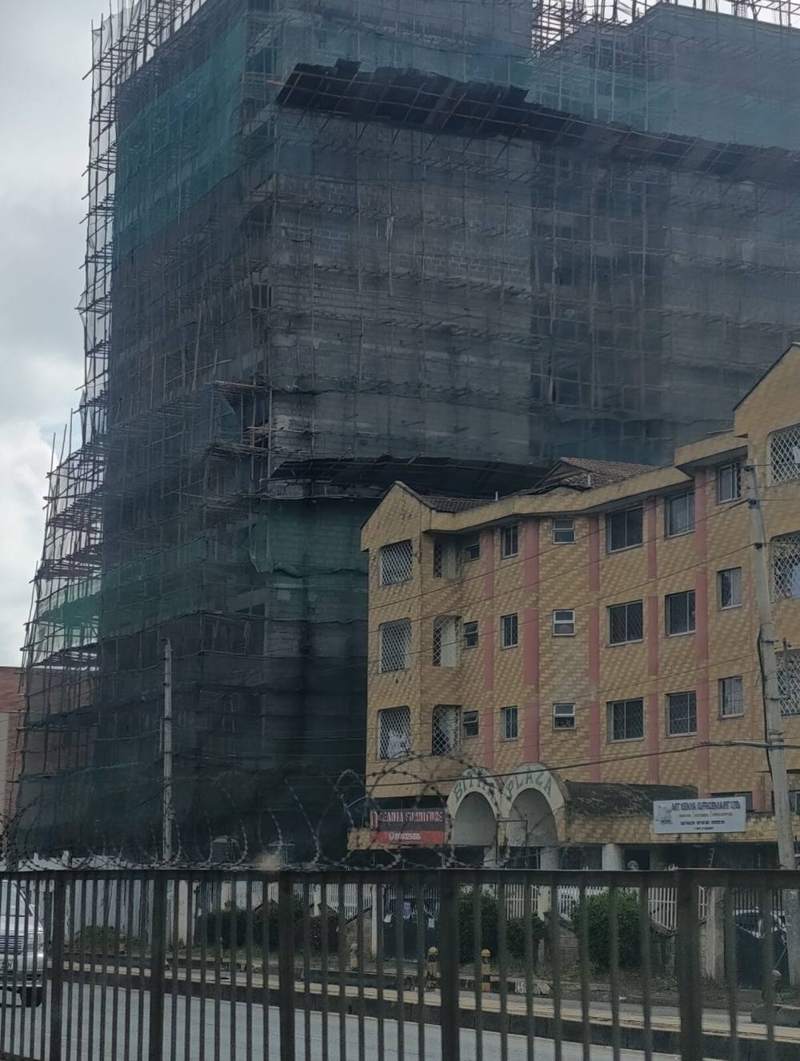
The trusted fundi requests endless emergency cash advances for cement and sand without receipts. Deliveries of high-tensile steel rebars arrive with understated gauges (D10 delivered and billed as D12). Timber formwork is improperly braced, leading to bowed columns and honeycombed concrete beams that fail structural integrity tests. Meanwhile, county physical planning and National Construction Authority (NCA) compliance officers issue stop-work notices because site safety and statutory approvals were never cleared.
By the time the project reaches the fourth floor, the initial KES 50 Million budget has ballooned to KES 78 Million, the timeline is 14 months behind schedule, and the investor is mentally exhausted and financially stressed.
The “Invisible Leakage” of Self-Management
Field audits of self-managed residential construction projects in Nairobi and Kiambu County reveal an average of 22% material loss through on-site pilferage, poor storage of cement bags, over-ordering of sub-grade sand, and off-site diversion of steel bars. The 10%–15% “savings” of avoiding a professional management firm are wiped out twice over in raw theft and re-work.
2. The Four Pillars of Institutional Turnkey Construction Management
Pillar I: Absolute Convenience & Remote Oversight
Turnkey construction management is not an added cost; it is an institutional insurance policy that guarantees your capital translates into a high-yielding, compliant physical asset. At Patment Invest, our turnkey methodology is built on four non-negotiable operational pillars:
Pillar I is Absolute Convenience & Remote Oversight: You should not have to leave your desk in Upper Hill, Nairobi, or wake up at 2 AM in London or Dallas to argue over bags of ballast. Under a fully managed turnkey contract, your role shifts from an anxious site foreman to a strategic capital allocator.
You receive bi-weekly high-resolution video walk-throughs, independent Quantity Surveyor (QS) valuation certificates, drone aerial progress captures, and digital schedule tracking. Every milestone achieved matches the exact phase specified in your initial contract.
3. Pillar II: Fixed Cost Control via Itemized BoQ Discipline
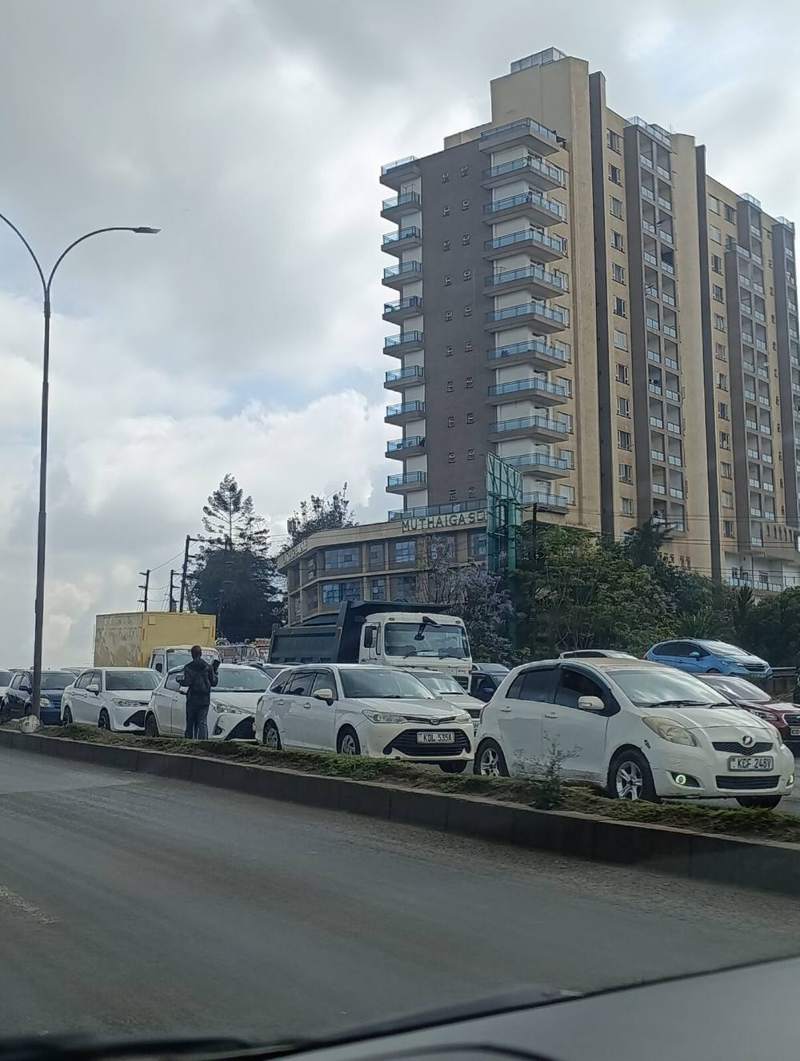
Uncontrolled variations are the death of property development profits. With Patment Invest, your project commences only after an exhaustive, itemized Bill of Quantities (BoQ) is drafted and locked. This document details every cubic meter of concrete, every metric ton of steel, every electrical fitting, and every square meter of ceramic tile.
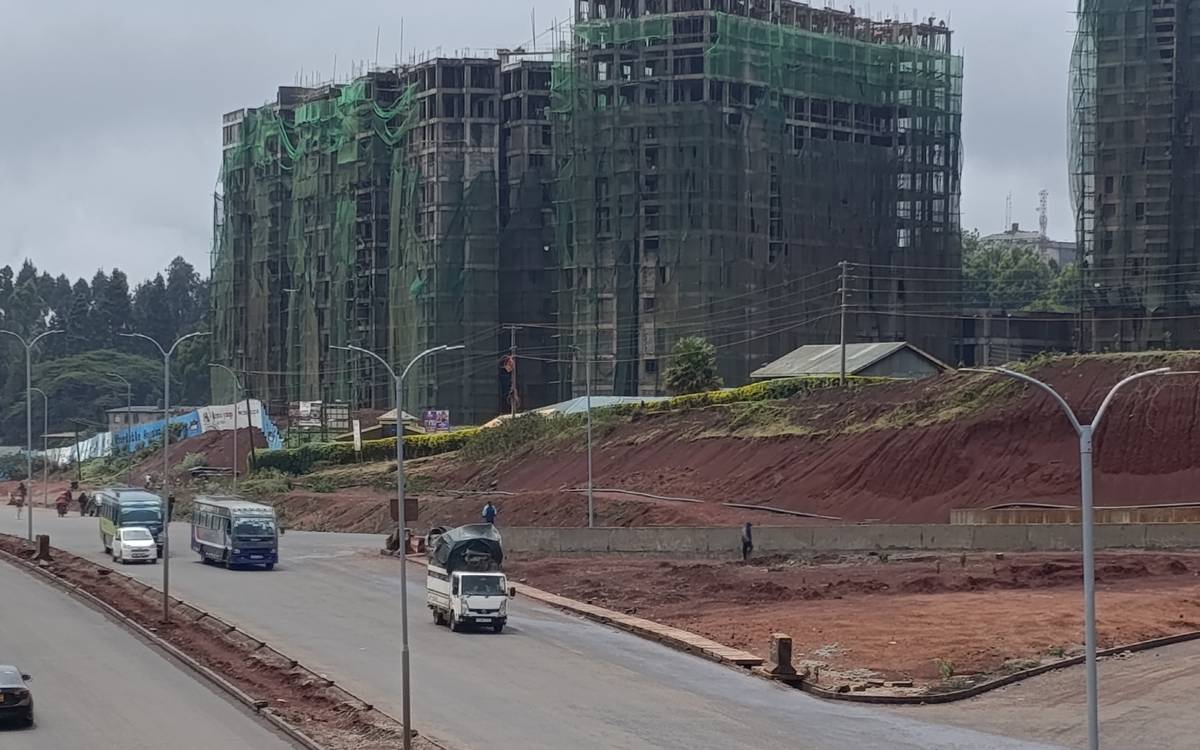
Furthermore, because we execute multiple large-scale developments simultaneously across Ruaka, Gacharage, Ndenderu, Kikuyu, and Limuru, we do not buy building supplies at retail street prices. We procure high-tensile steel, cement, roofing sheets, and electrical conduits in bulk directly from primary manufacturers (Devki, Tononoka, Bamburi, Savannah). These institutional economies of scale are passed directly into your project budget, insulating you from price spikes.
Milestone-Based Capital Disbursements
Under our turnkey governance model, investor funds are never handed over in lump sums. Capital is held securely and disbursed strictly in tranches against physically completed, independently certified milestones: Foundation & Substructure → Superstructure Frame → Walling & Roofing → Internal MEP (Mechanical, Electrical, Plumbing) → Finishes & Joinery → Final Commissioning.
4. Pillar III: Statutory Approvals & Engineering Quality Assurance
In today’s regulatory environment, building without comprehensive compliance is a disaster waiting to happen. Nairobi and Kiambu County governments have intensified crackdowns on non-compliant buildings, resulting in demolitions and frozen titles.
Our turnkey management team manages the entire statutory pipeline from day one: architectural drawing approvals, structural calculations, National Environment Management Authority (NEMA) Environmental Impact Assessment licenses, Water Resources Authority (WRA) borehole permits, and National Construction Authority (NCA) site registration.
When practical completion is reached, we secure your official Occupation Certificate and oversee Sectional Properties registration—ensuring you hold clean, bankable title documents for the entire block or individual units.
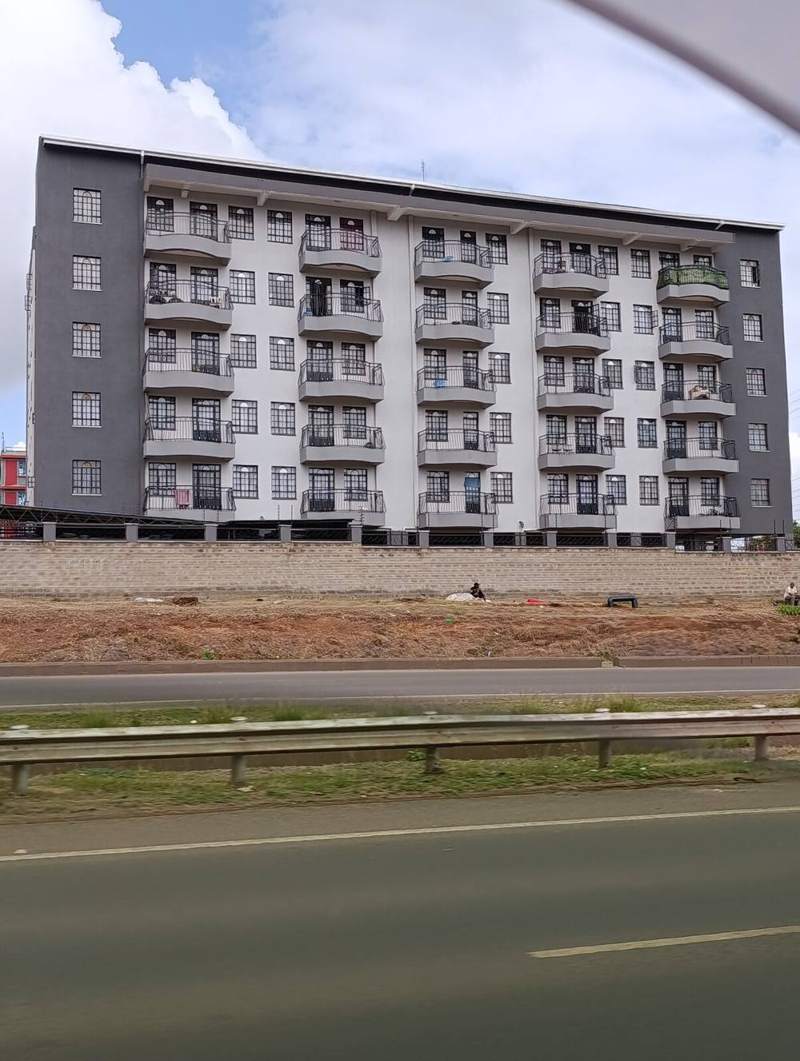
5. Pillar IV: The Handover of an Operational, Fully Booked Asset
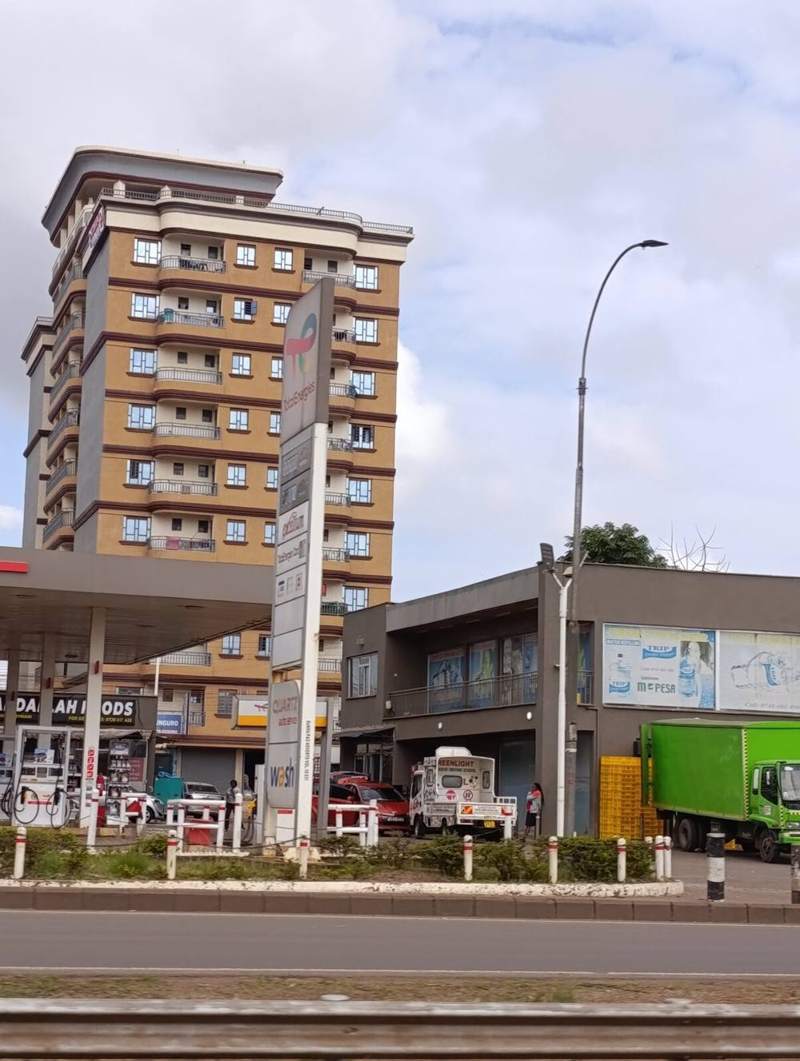
The greatest differentiator of Patment Invest’s turnkey model is what happens at the finish line. Traditional contractors view their job as finished when they sweep the sawdust and hand you a bunch of brass keys to an empty, echoey building.
For an investor, an empty building represents negative cash flow—mortgage interest, security guards, and water bills ticking away without rental income.
Four months before physical construction reaches practical completion, our in-house commercial and property management division launches our pre-leasing campaign. We market through our corporate relocation networks, vetted digital channels, and local physical signage. Prospective tenants are screened through employment verifications and Credit Reference Bureau (CRB) background checks.
On the day you receive your Occupation Certificate, your building is already 85% to 95%+ pre-leased. You step directly into an active, cash-flowing rent roll with signed leases and security deposits in place.
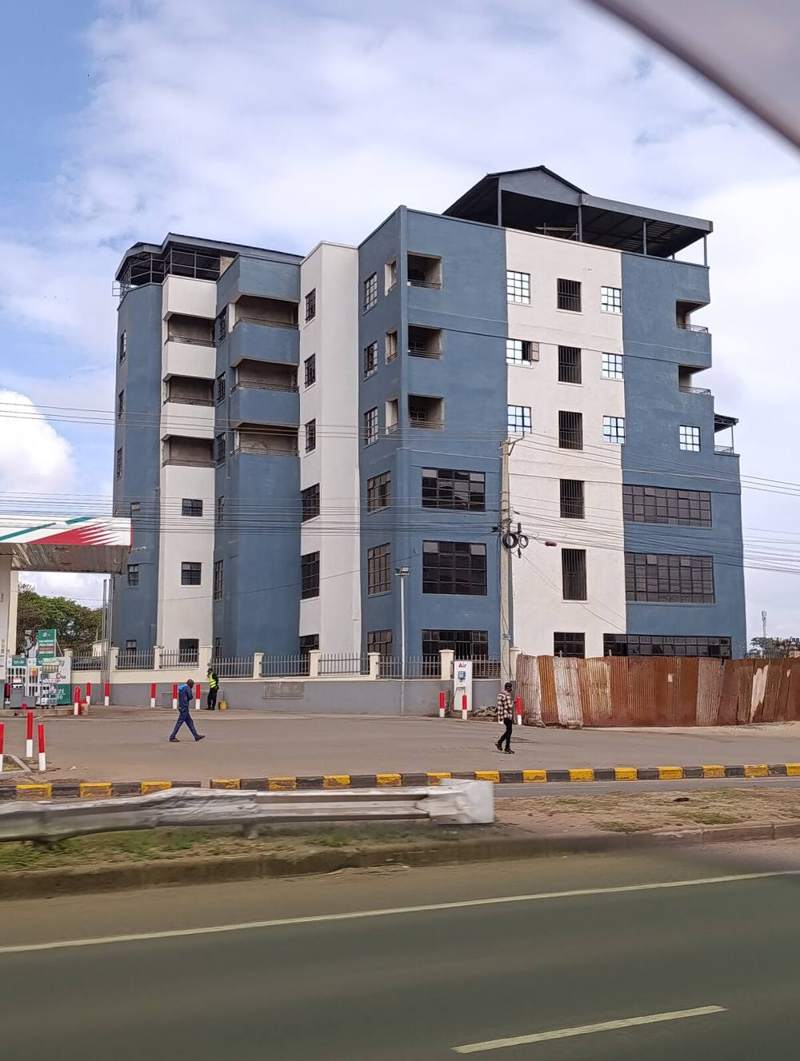
6. Self-Managed vs. Fully Managed Turnkey: Direct Comparison
Here is how the two approaches compare across the core dimensions of time, cost, stress, and final investment outcome:
| Factor | Self-Managed (“Fundi” Approach) | Fully Managed Turnkey (Patment Invest) |
|---|---|---|
| Project Budget Predictability | Frequent 30%–55% cost overruns; continuous emergency calls | Locked Bill of Quantities (BoQ) with fixed-price milestone contracts |
| Material Sourcing & Quality | Retail hardware prices; high risk of adulterated/underspecified goods | Bulk wholesale manufacturer purchasing; certified lab testing |
| Site Theft & Wastage | Average 15%–25% material leakage without daily supervision | Strict on-site inventory auditing, CCTV, and contractor liability |
| Timeline to Completion | Typically delayed by 8 to 18 months due to fundi disputes | Guaranteed milestone schedules with financial completion penalties |
| Statutory Clearances | Investor must navigate NEMA, NCA, County offices independently | End-to-end statutory clearance through to official Occupation Certificate |
| Investor Time Commitment | 15–25 hours per week (exhausting site visits, supplier disputes) | 0–1 hour bi-weekly to review certified video and QS progress reports |
| Handover State | Empty concrete shell; investor must search for tenants alone | Operational asset with tenants pre-vetted and rent roll initiated |
| Net Yield & Peace of Mind | Depressed by delays and inflated costs; severe investor fatigue | Optimized 12%–15% net yield; total peace of mind throughout |
Conclusion: Build Wealth, Not Ulcers
Real estate investment should be a vehicle for multi-generational wealth creation, financial independence, and passive cash flow. It should never be an endless source of anxiety, family disputes, and runaway costs.
By partnering with Patment Invest under our institutional turnkey construction management model, you gain access to seasoned structural engineers, certified quantity surveyors, established county liaisons, wholesale manufacturer pricing, and a leasing team that guarantees you step into an active income stream from day one.
Ready to build with total peace of mind? Schedule a confidential project feasibility review with Patment Invest today.