An unsparing economic breakdown of land price vs. construction capital in Kenya. Discover why land cost forces 18-floor skyscrapers in Westlands, why a 5-6 story building on Waiyaki Way often lacks tenant appeal, and why deploying that same capital into a satellite corridor like Ruaka, Ndenderu, or Ruiru creates a market-dominating landmark.
Key takeaways
- In Westlands, land costs (KES 250M – 500M+ per acre) mathematically mandate 18+ story towers to amortize land cost per square foot; a 6-story building on such land is financially non-viable.
- A 5 to 6-story block built along prime Waiyaki Way often suffers in tenant perception because it is continuously compared against neighboring 18-story towers boasting infinity pools and rooftop lounges.
- Deploying that exact same KES 80M – 140M capital into a high-growth satellite town (Ruaka, Ndenderu, Kikuyu, Ruiru, Kenol) transforms your project into the premier landmark of the entire neighborhood.
- Investors should always calculate their Land-to-Construction Ratio: ideally, construction capital should represent 65% to 75% of total project expenditure, with land capped at 25% to 35%.
1. The Cardinal Rule of Real Estate: Capital Must Choose Location, Not Emotion
The single most common mistake made by private investors in Nairobi’s property market is falling in love with a prestigious location before assessing their total project capitalization. An investor with KES 90 Million in total available capital often assumes that buying a quarter-acre in Westlands, Kilimani, or along the front row of Waiyaki Way is automatically the smarter move because of the prestigious address.
In reality, the mathematics of real estate development say the exact opposite. When you purchase high-cost land with limited construction capital, you are forced to build an under-capitalized, under-scaled structure that struggles to compete for tenants, generates mediocre rental yields, and locks your wealth in an illiquid asset. Understanding the relationship between land cost, structural height, and tenant psychology is the difference between an asset that prints 14% cash flow and one that stays half-empty.
The Golden Capital Allocation Ratio
In high-performing commercial and multi-family developments, land cost should ideally consume no more than 25% to 35% of total project capitalization, leaving 65% to 75% for physical construction, finishes, and tenant amenities. When land swallows 50% or more of your budget, the remaining building budget is starved of the quality needed to command market rents.
2. The Westlands Equation: Why 18 Floors Are a Financial Necessity, Not an Ego Trip
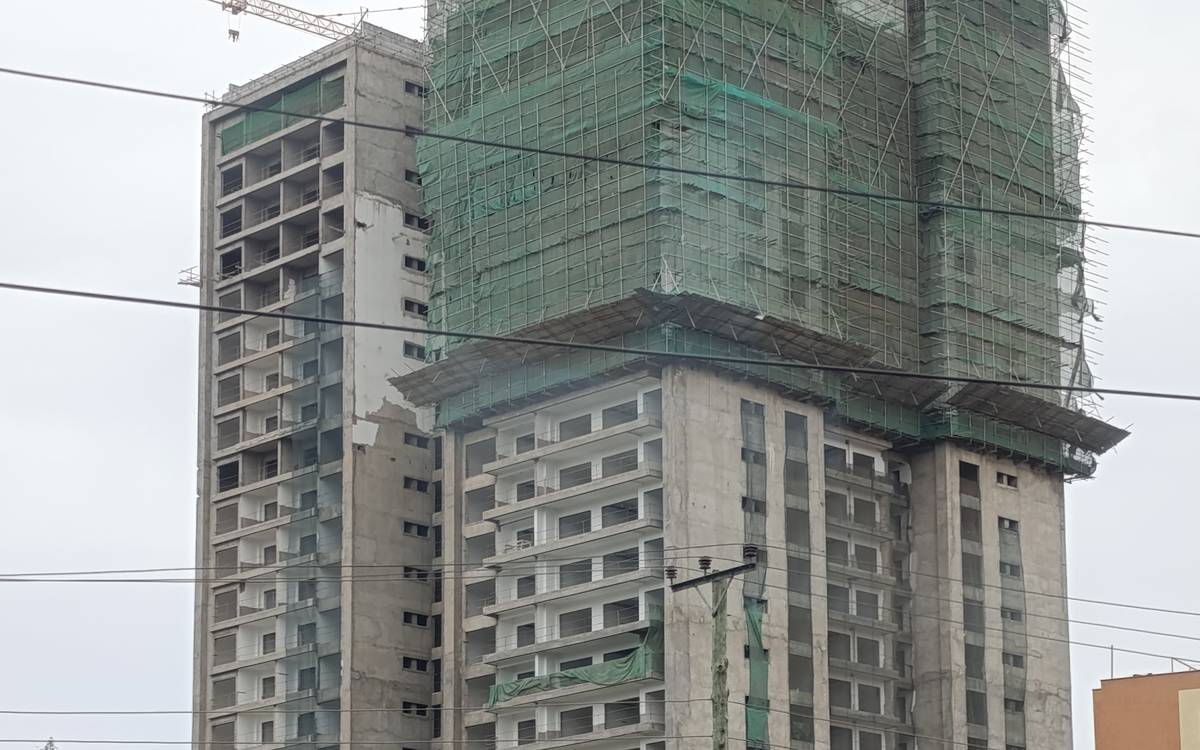
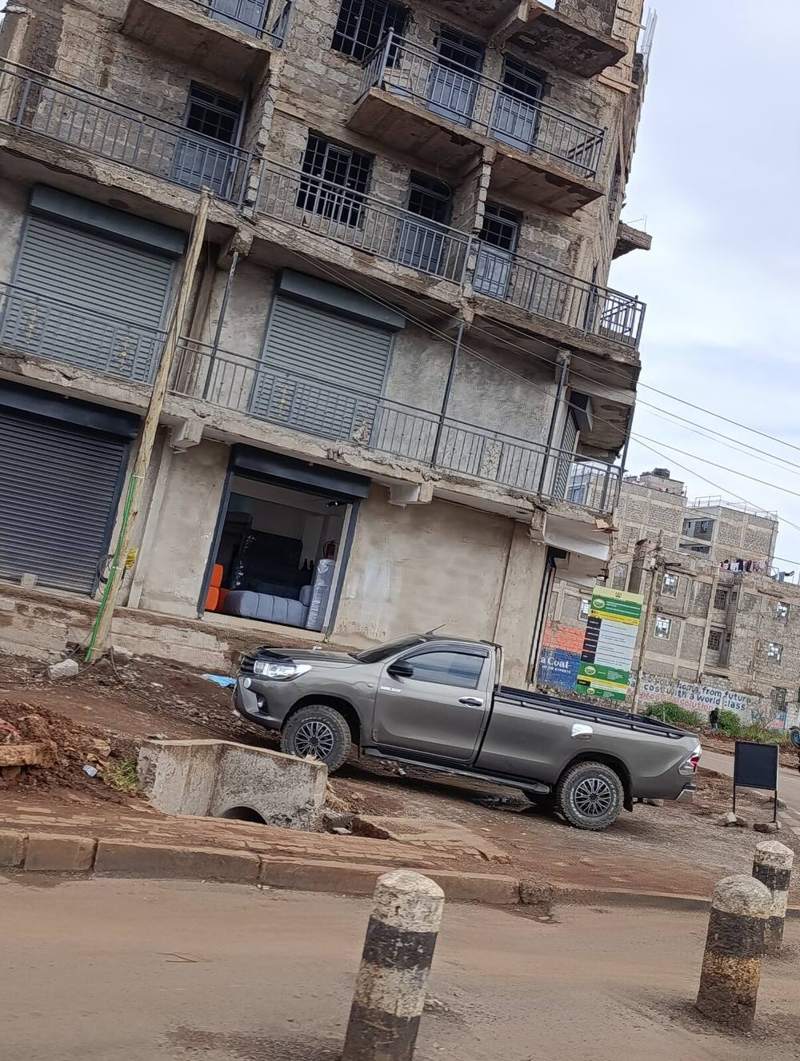
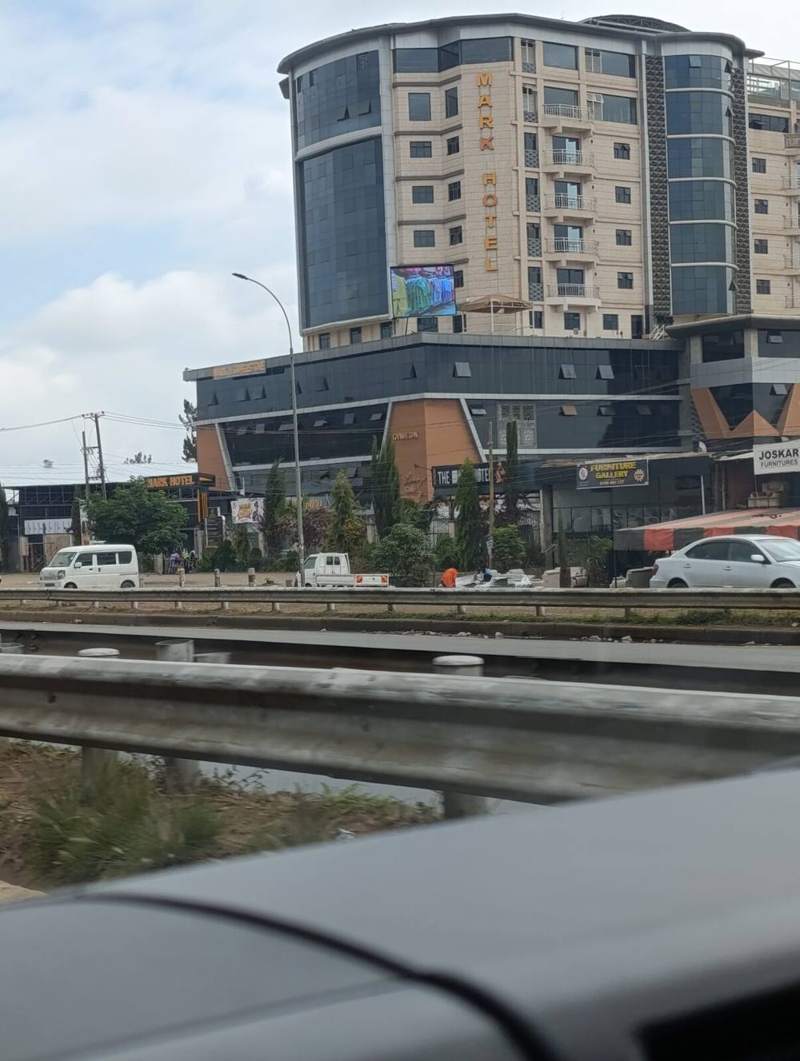
When looking at recent photographs of the Westlands corridor, one notices an undeniable reality: nearly every active development is pushing 16 to 22 floors. Outside of geological foundation capacity (solid trachyte bedrock allowing deep piling), the core driver is purely financial.
In Westlands, a half-acre plot easily commands KES 180 Million to KES 250 Million. If a developer builds a 6-story building with 30 units on land costing KES 200M, the land cost allocated to each individual apartment is an astounding KES 6.6 Million before pouring a single bucket of concrete. Even if the unit costs KES 4M to build, the base cost is KES 10.6M. Renting that unit at KES 60,000/month produces a catastrophic net yield of below 6%.
However, when that developer pushes the structure to 18 floors containing 150 units, the land cost per unit plummets to just KES 1.33 Million. This vertical amortization of land is why Westlands demands skyscrapers. But executing an 18-story tower requires KES 600M to 1.2 Billion in liquid capital, specialized tower cranes, dual-level subterranean basements, and heavy wind-load structural engineering—capital requirements far beyond most private investors.
3. The Waiyaki Way Dilemma: The Trap of the 5-to-6 Story Mid-Rise
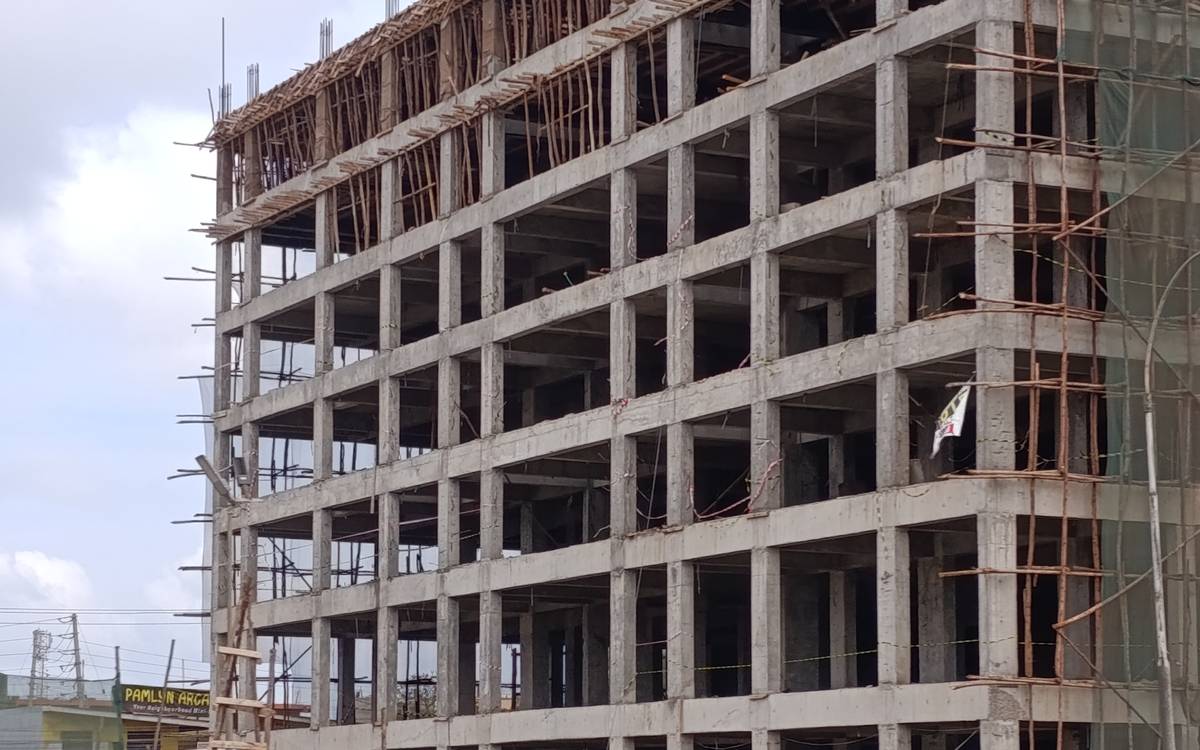
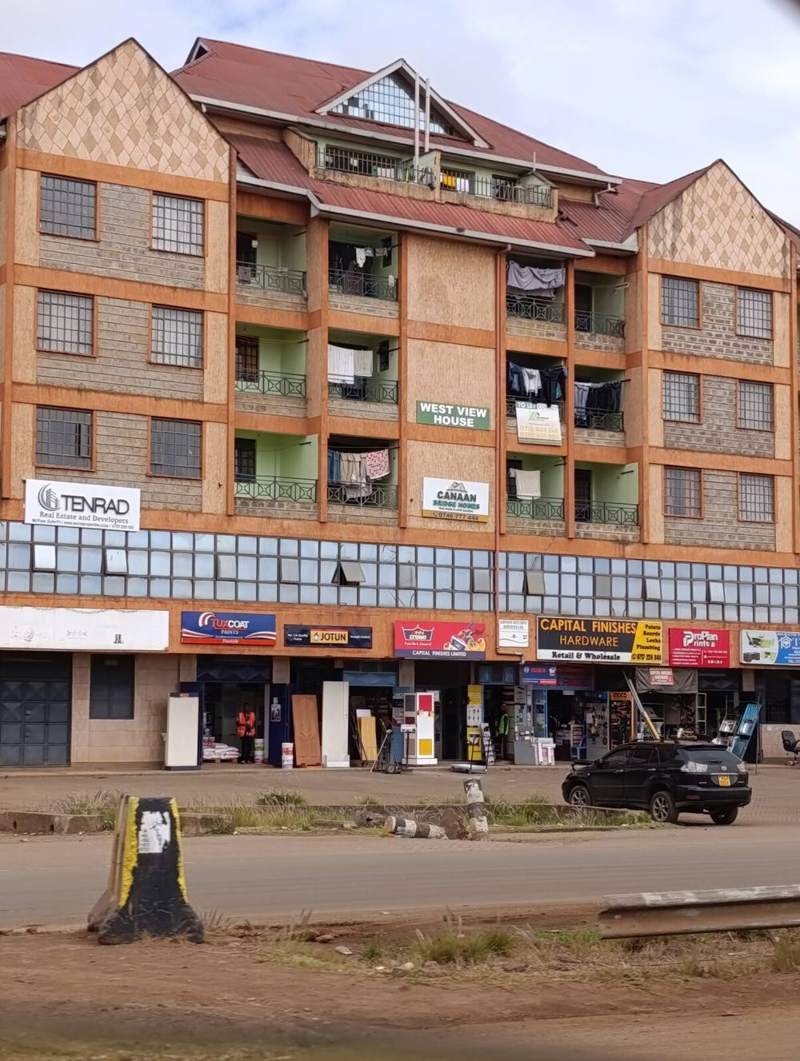
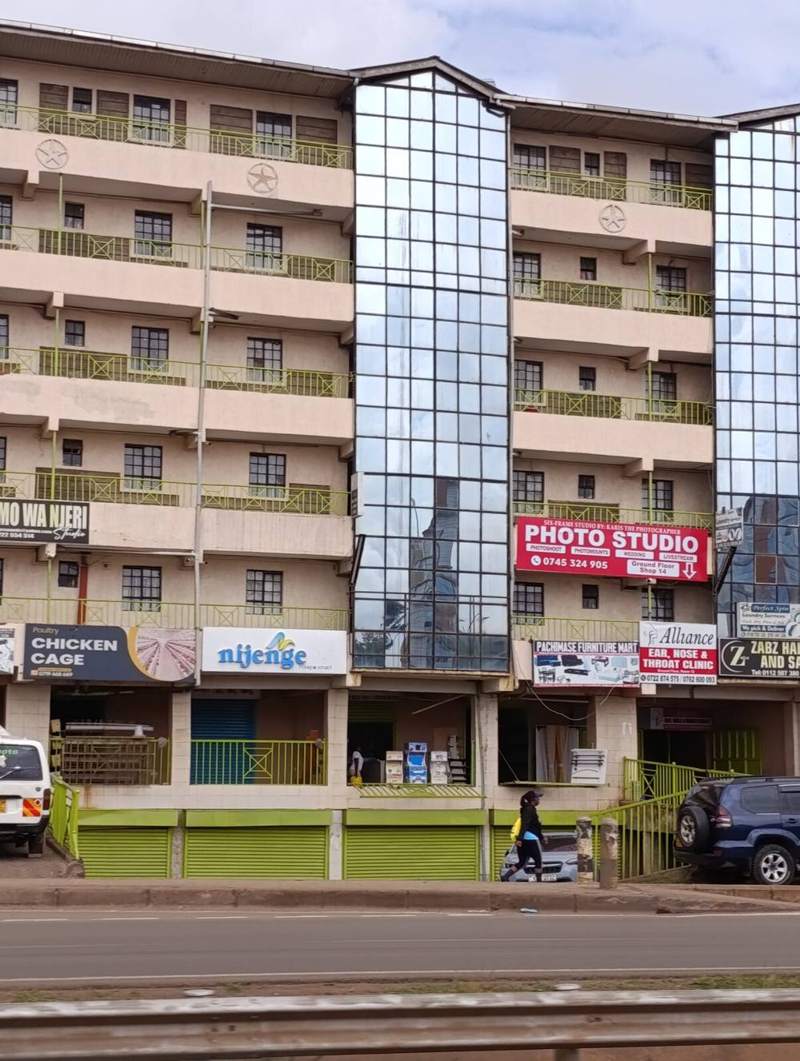
Along Waiyaki Way, several developers who owned plots or bought into the corridor with KES 70M to KES 120M in total capital erected 5 to 6-story apartment blocks. When viewed in isolation, these buildings are sound concrete structures. But when viewed through the eyes of a discerning tenant, a serious problem emerges.
Right next door or across the road stands a gleaming 16-story tower featuring high-speed lifts, rooftop heated swimming pools, dedicated resident gyms, backup generators, and fiber-optic backbones. The 5-story block—lacking the capital for luxury amenities—is forced to compete for the same corporate commuters but lacks the aesthetic appeal and amenity package. It suffers from prolonged vacancy, high tenant turnover, and discounted rental rates.
The building lacks appeal not because it is inherently bad, but because it is being judged against neighboring skyscrapers that out-capitalized it by 10x.
4. The Satellite Town Strategy: Becoming the Local Landmark Attraction
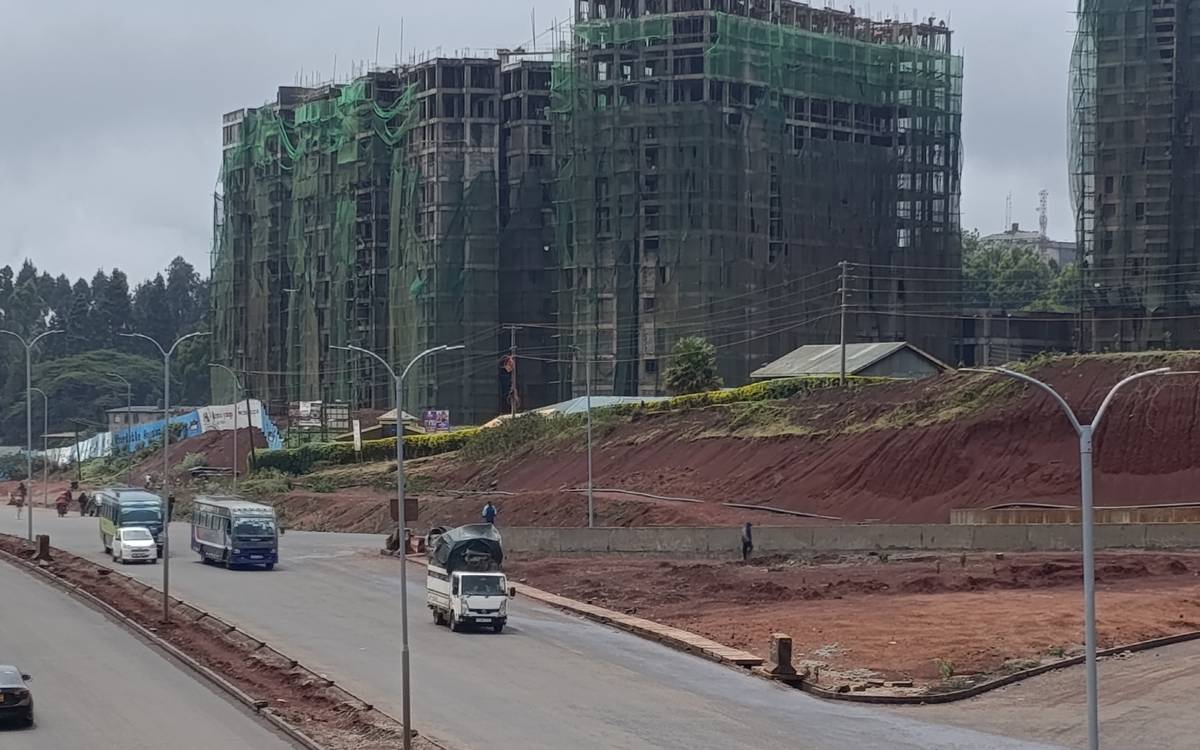
Now consider what happens when an investor takes that exact same KES 80M to KES 140M total capital and deploys it into a prime satellite corridor such as Ruaka, Gacharage, Banana, Ndenderu, Kikuyu, or Ruiru on Thika Road.
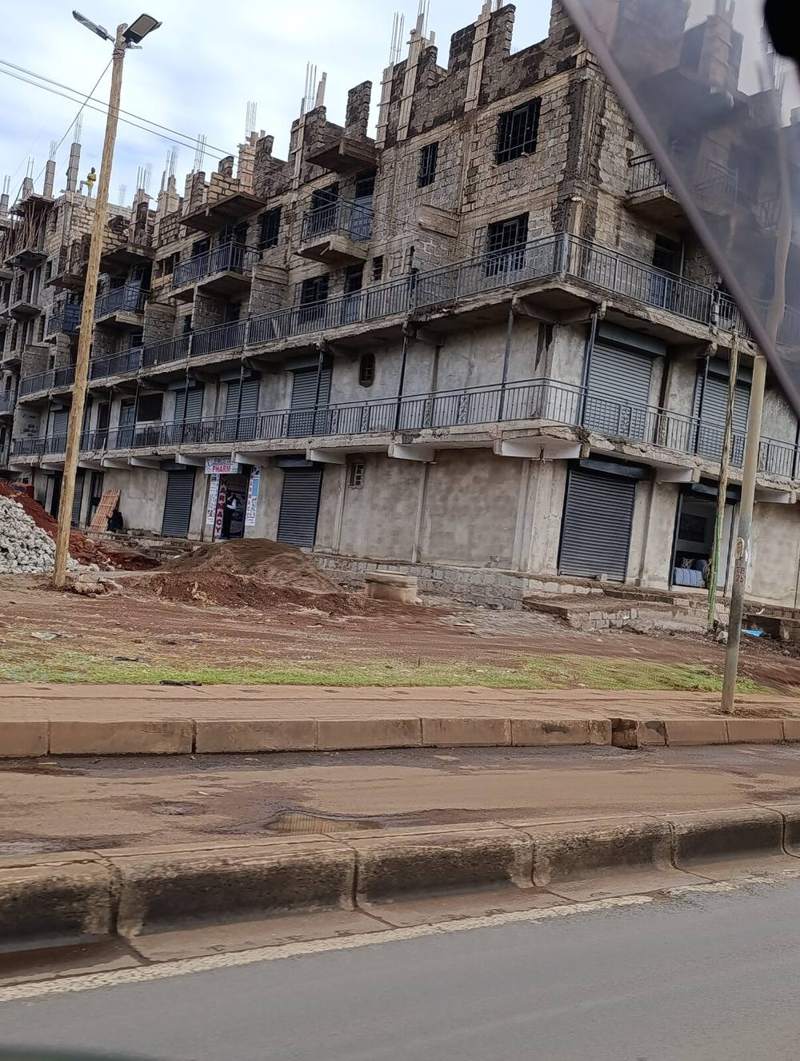
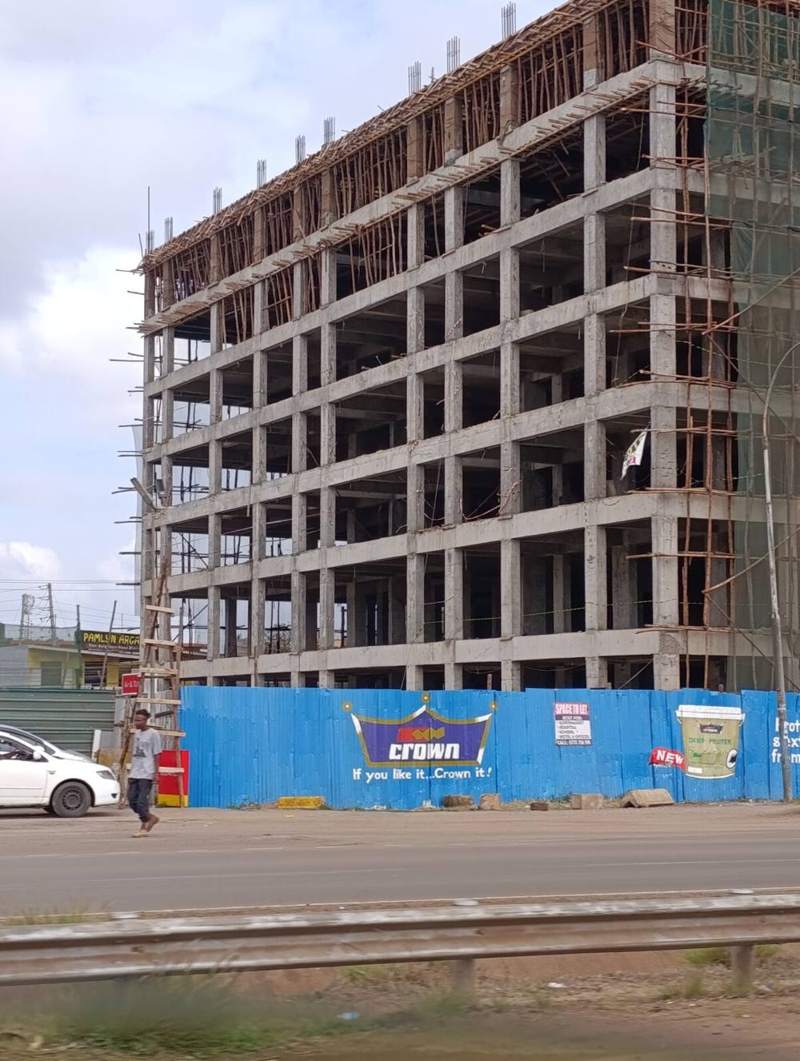
In these corridors, land costs are rational: ~KES 20M in Gacharage or Ndenderu, ~KES 30M in Kikuyu, ~KES 45M in Ruaka. This leaves KES 60M to KES 100M+ for construction. With this budget, the investor can build an exceptional 7 to 9-story apartment block with 40 to 60 units.
Crucially, in that satellite town, this building is NOT the ugly duckling—it is the crown jewel of the entire neighborhood. It is the newest, tallest, most beautifully finished block on the street. It features the cleanest lobby, the most reliable borehole, the fastest lift, and the best security.
The result? Tenants flock to it. When professionals working in Westlands, Two Rivers, or Gigiri search for housing in Ruaka or Ndenderu, your building is their first choice. It achieves 98% occupancy within 45 days, commands a 15% rental premium over neighboring older walk-ups, and attracts long-term, high-quality tenants who pay rent promptly on the first of every month.
5. Financial Breakdown: Westlands vs. Satellite Corridor Capital Allocation
Let us examine the stark reality of how a KES 110 Million total capital allocation performs when deployed in two different strategies:
| Metric | Option A: Westlands Infill (Compromised) | Option B: Ruaka / Ndenderu (Corridor Landmark) |
|---|---|---|
| Total Project Capital | KES 110,000,000 | KES 110,000,000 |
| Land Cost (0.25 – 0.5 Acre) | KES 65,000,000 (59% of budget) | KES 25,000,000 (23% of budget) |
| Remaining Construction Capital | KES 45,000,000 (Starved) | KES 85,000,000 (Robust) |
| Achievable Floors & Typology | 4-5 Floors Walk-Up (Outclassed) | 7-8 Floors with Elevator & Borehole |
| Total Residential Units | 18 Units (Basic Finishes) | 48 Units (Executive 1 & 2-Beds) |
| Competitive Position | Dwarfed by 18-floor luxury neighbors | The #1 premier landmark on its street |
| Average Monthly Rent per Unit | KES 45,000 (Discounted to compete) | KES 32,000 (Premium for the area) |
| Gross Annual Rental Income | KES 9,720,000 | KES 18,432,000 |
| Gross Rental Yield on Capital | 8.8% gross (under 7% net) | 16.7% gross (~13.8% net) |
| Time to 95% Occupancy | 7 – 12 months (slow absorption) | 30 – 60 days (waiting list created) |
Conclusion: Deploy Capital Where It Commands Market Power
Real estate success in Kenya is not measured by the prestige of the neighborhood name on your title deed; it is measured by net annual cash flow and asset liquidity. If your total capital is KES 800 Million+, Westlands skyscrapers offer tremendous institutional scale. But if your capital is between KES 50 Million and KES 250 Million, attempting to build in Westlands or directly on Waiyaki Way will compromise your build quality and destroy your yields.
Deploy that same capital into satellite growth corridors like Ruaka, Gacharage, Banana, Ndenderu, Kikuyu, or Thika Road. Build the best building in that submarket. Dominate local rental demand, secure the highest-quality tenants, and enjoy 13% to 15% net annual cash flow backed by solid capital appreciation.
Need an objective capital allocation assessment for your target corridor? Let Patment Invest model your land-to-build ratio and maximize your project yield.